-
Afternoon Experiments at Tiny Toes
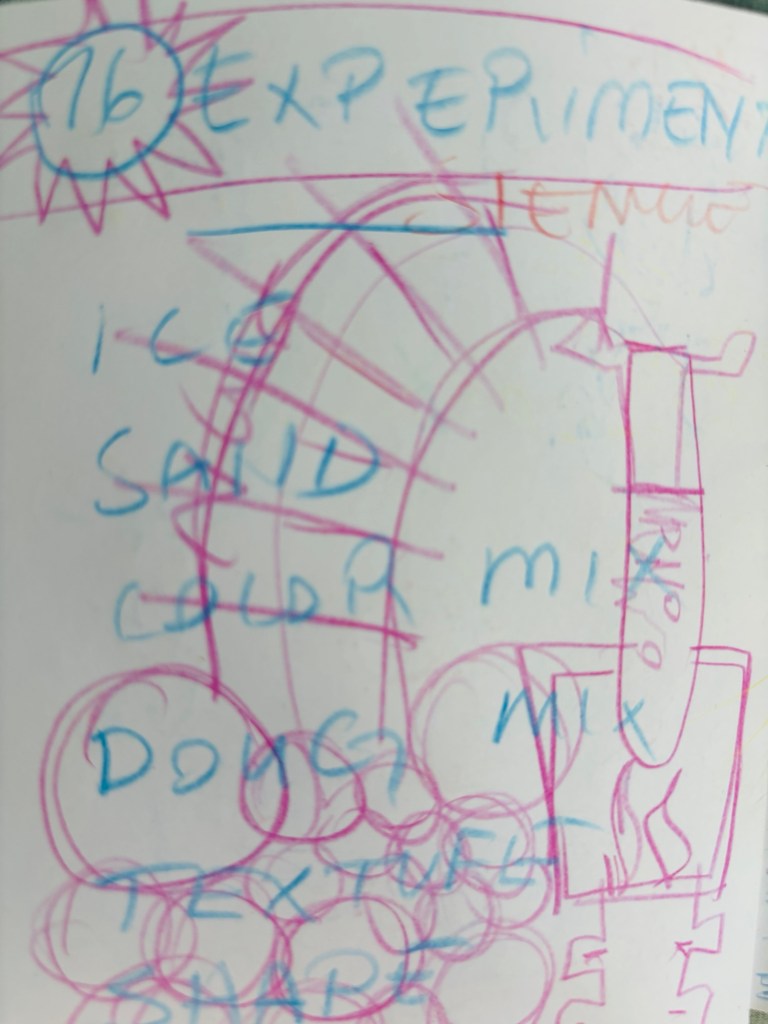
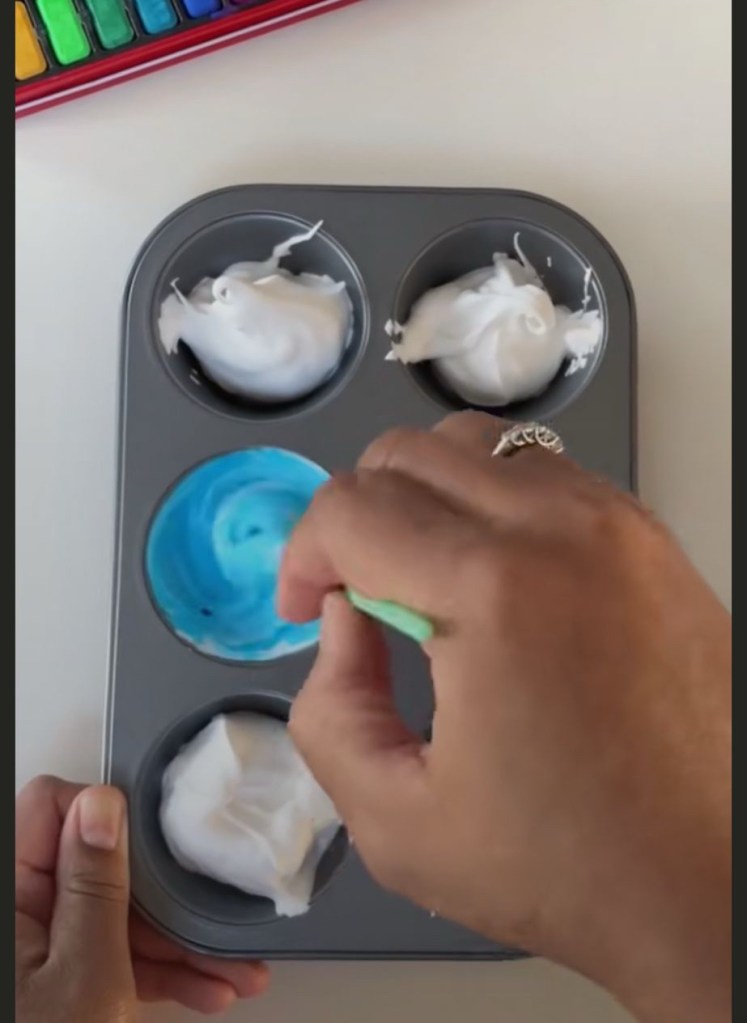
Our afternoons continued with hands-on experiments this week. We explored color changing using foam coloring, watching how blue and yellow gently mixed into new shades. The children observed, stirred, and described what they saw as the colors blended together.
Each child also worked with their own colored dough. They pressed, rolled, shaped, and used cutters to create hearts and different forms. Having individual dough helped them practice sharing space while respecting materials.
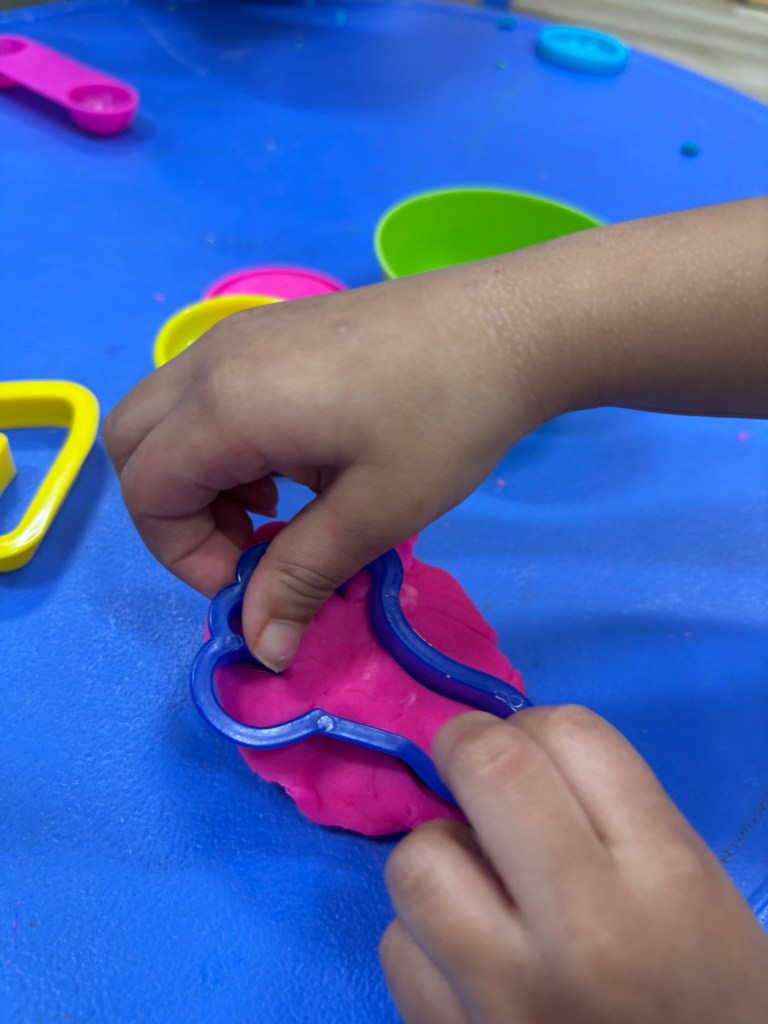
These activities supported:
✔️ Sensory exploration
✔️ Fine motor development
✔️ Color recognition
✔️ Independence and focus
Learning through touch, color, and movement makes afternoons joyful and meaningful.
-
❤️ Three Signs of Love
A Simple Visual Lesson for Little Hearts
In our classroom, love is not just a word.
It is something we practice.
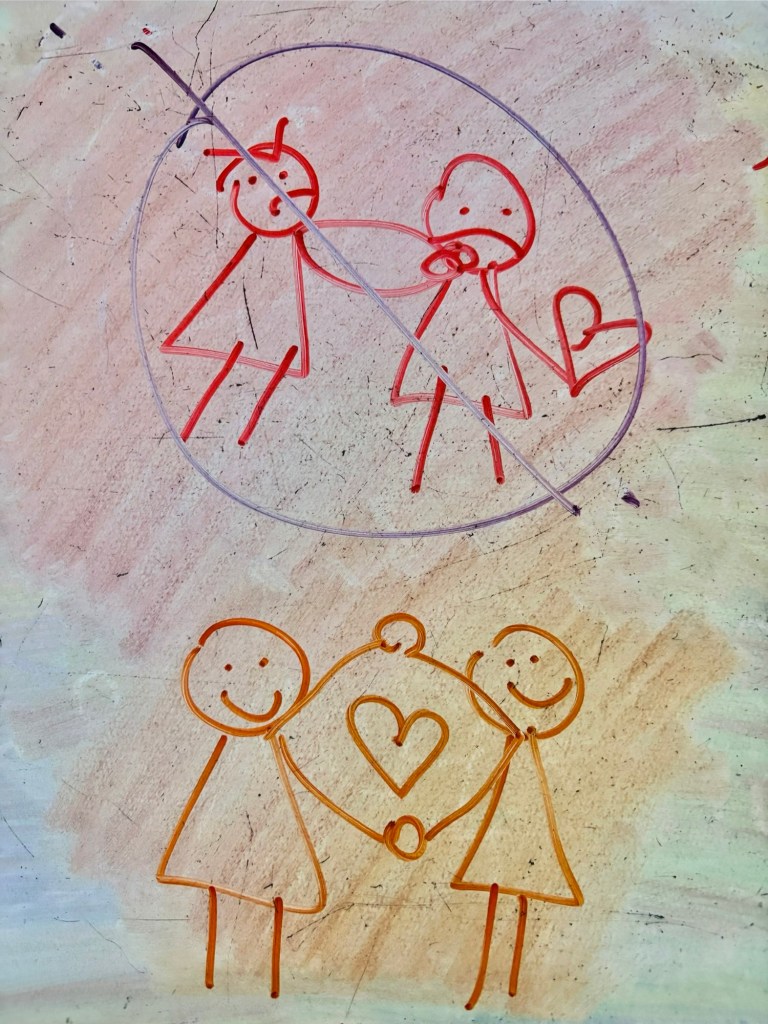
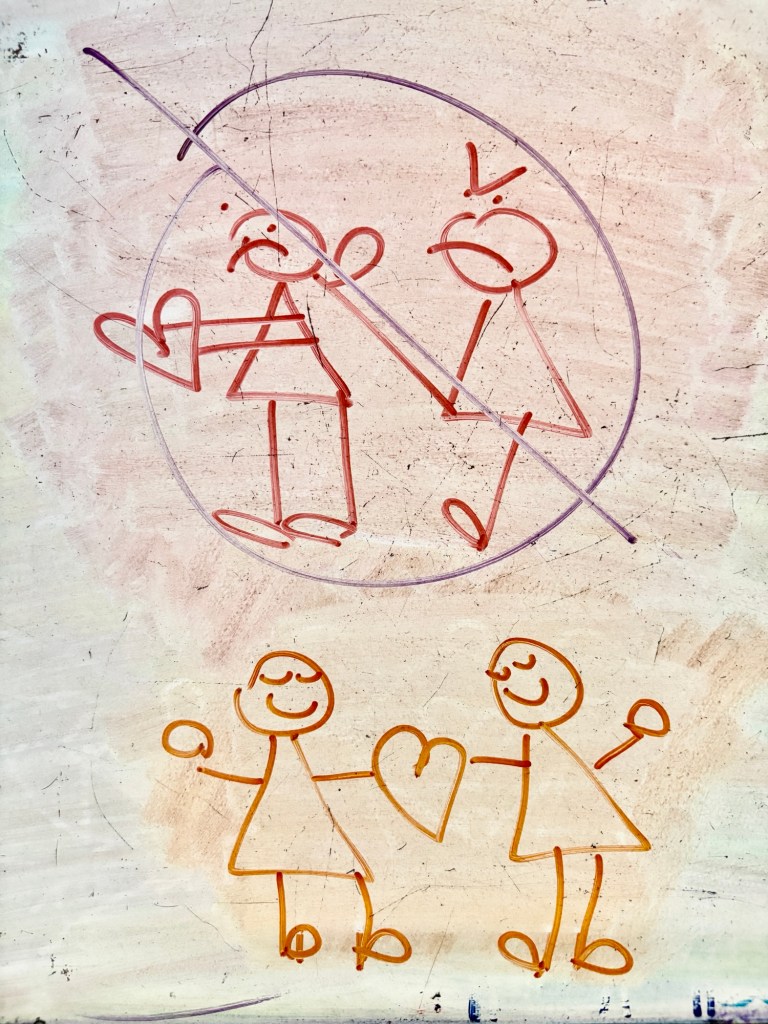
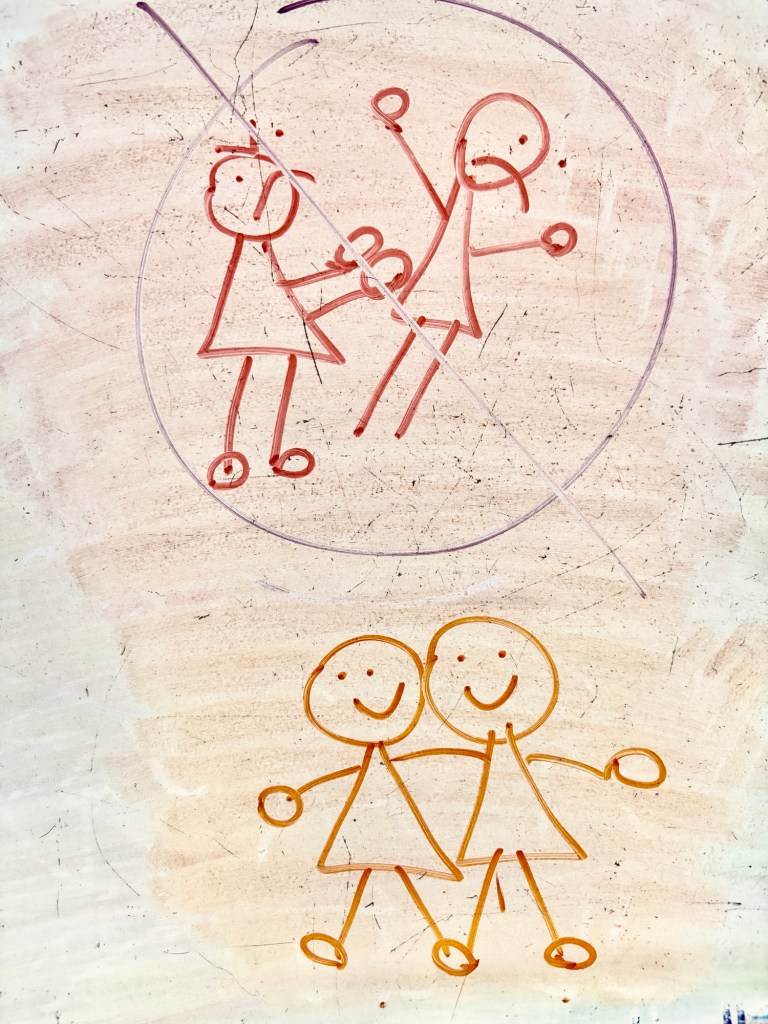
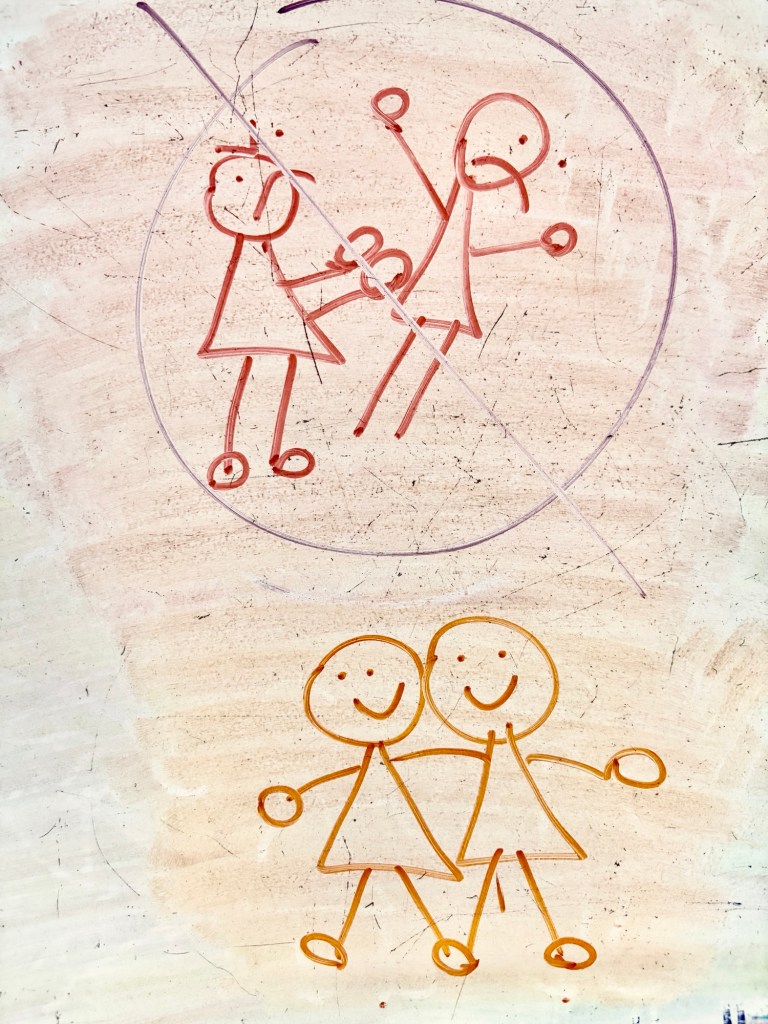
This week, I created a simple signing illustration to help toddlers understand the difference between hurting and caring.
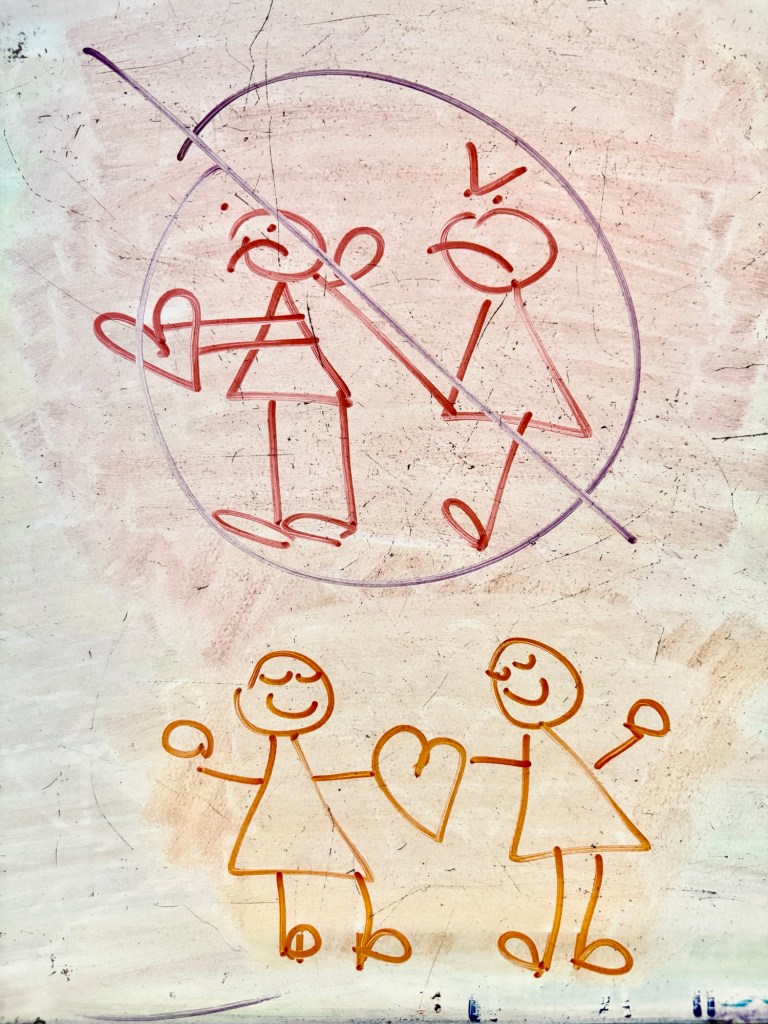
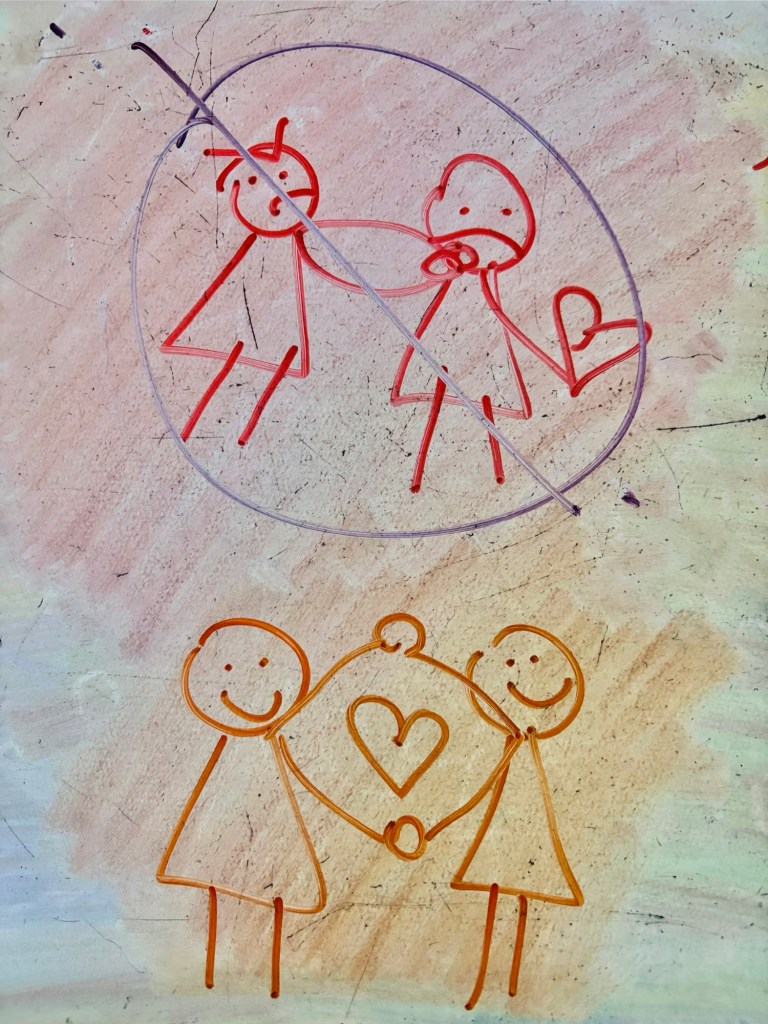
The top drawings show what we do not do.
Two figures inside a circle with a line across them.
No pushing.
No pulling.
No hurting.
The circle becomes a boundary.
The line becomes protection.
Children understand symbols before long explanations.
They see the crossed circle and immediately know:
“This is not allowed.”
Below the circle, the same two figures stand differently.
They hold hands.
They share a heart.
They smile.
This is love in its simplest form.
🌿 The Three Signs of Love We Practice
1️⃣ Gentle Hands
Love means soft hands.
We do not push.
We do not hit.
We do not pull.
2️⃣ Helping Hands
Love means we help a friend stand up.
We share toys.
We wait for our turn.
3️⃣ Happy Hearts
Love means smiling.
Saying kind words.
Saying “thank you.”
In early childhood education, leadership begins with emotional awareness.
Before children can lead, they must learn how to care.
In Tiny Toes, we repeat:
Loving is caring.
Caring is sharing.
Simple drawings.
Simple rules.
Strong foundations.
Every line we draw becomes a habit they carry.
And every habit shapes the kind of leader they will become.
-
🌞 My Tiny Toes Wobblers Handbook
(The little routine book I keep under my shoulder)
At Tiny Toes, I carry a small visual handbook with me.
It lives under my shoulder during the day — ready anytime I need to gently guide, remind, celebrate, or redirect my wobblers.
The drawings are simple.
The steps are clear.
The rhythm is predictable.
Children feel safe when they know what comes next.
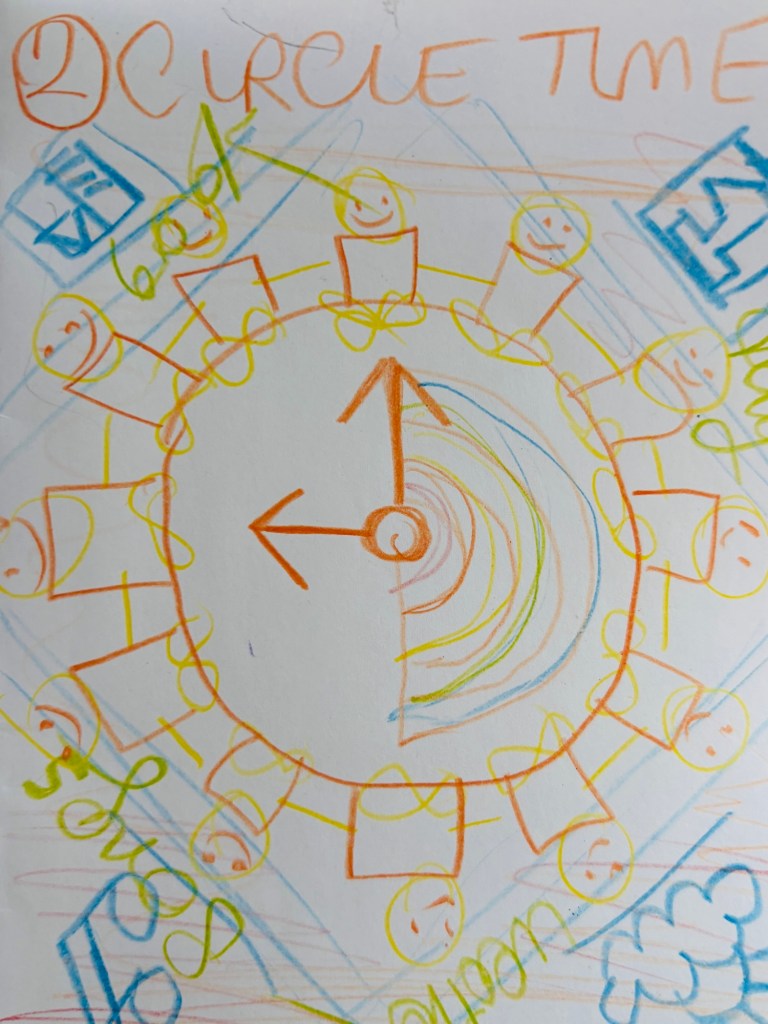
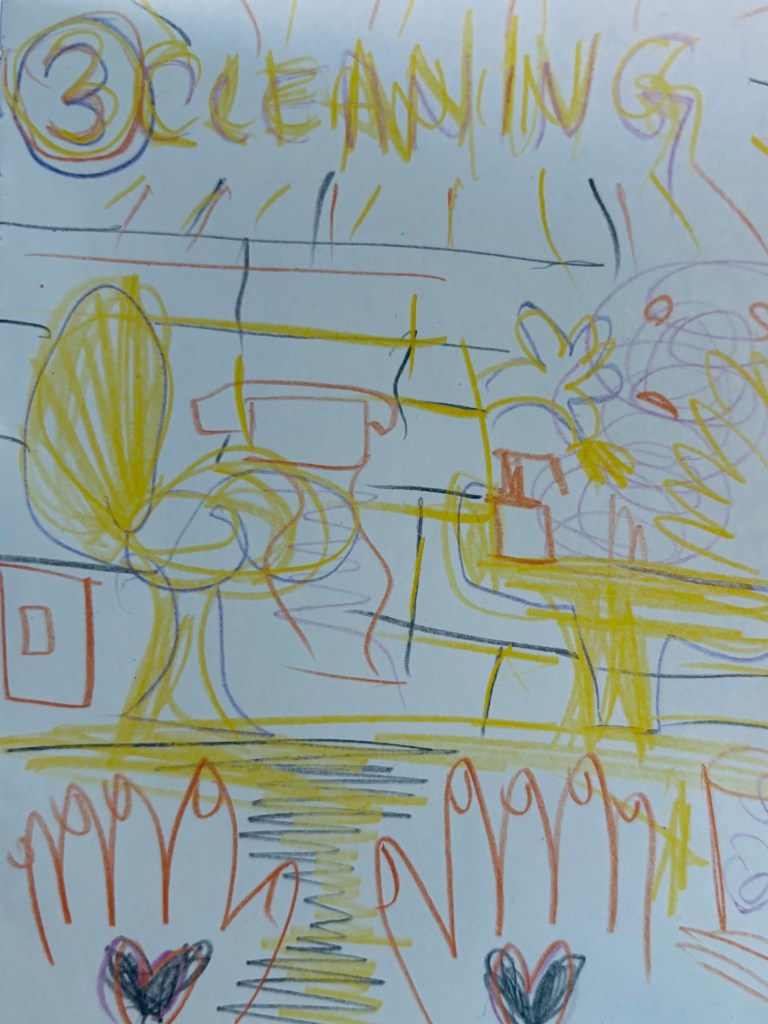
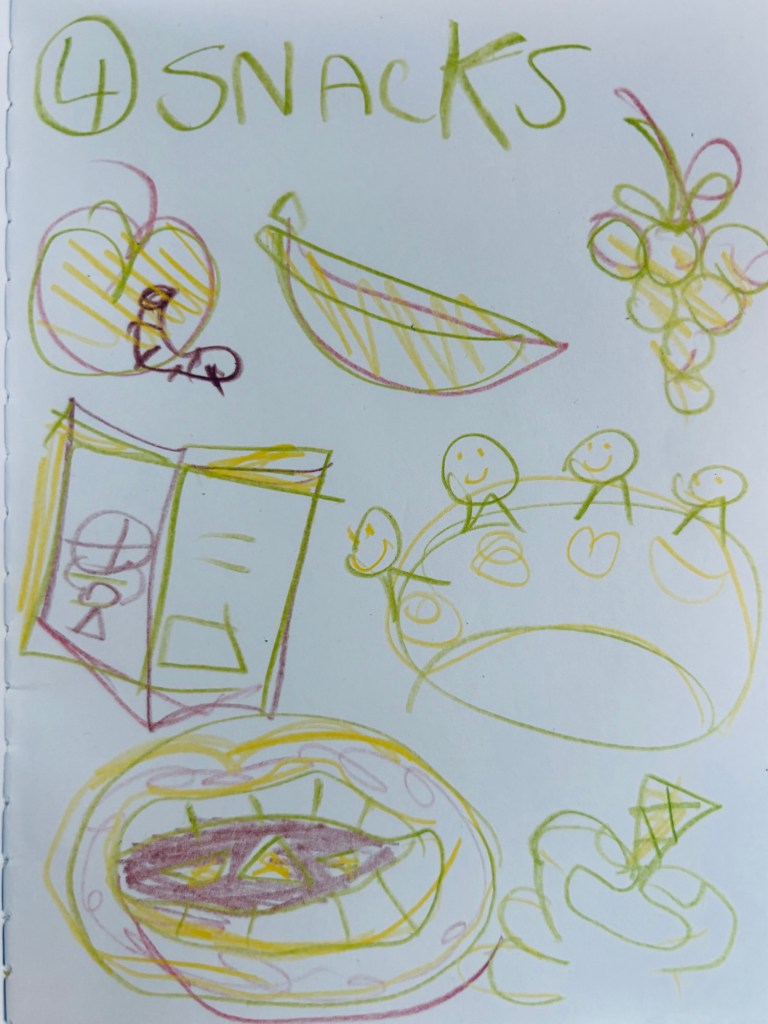
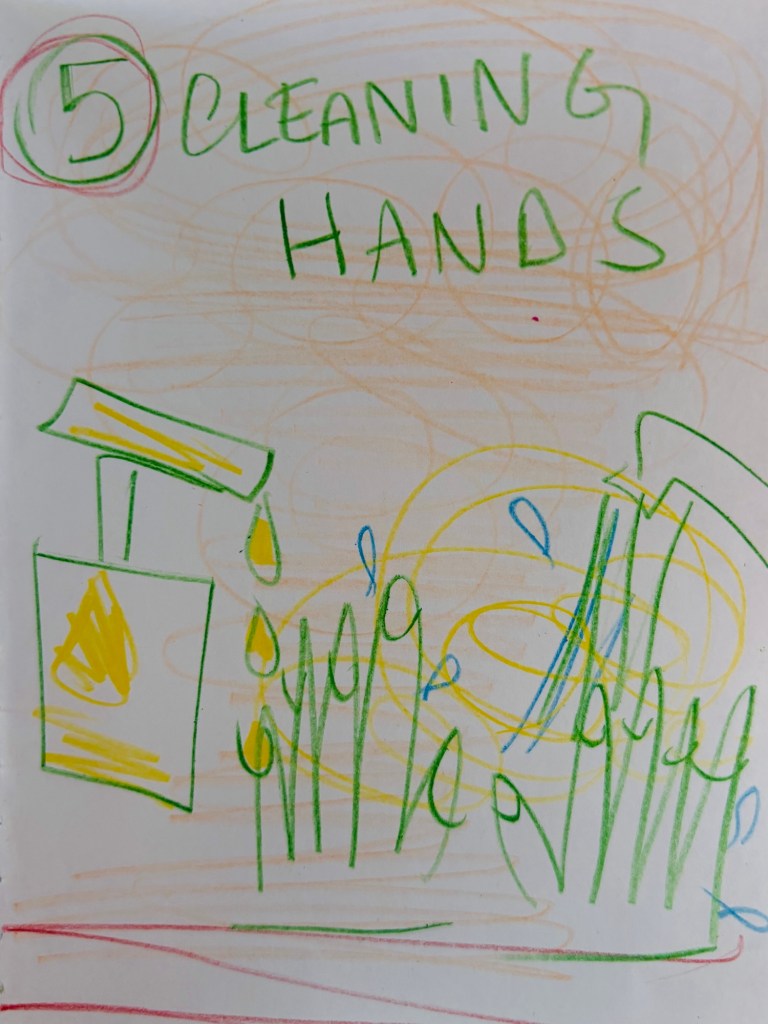
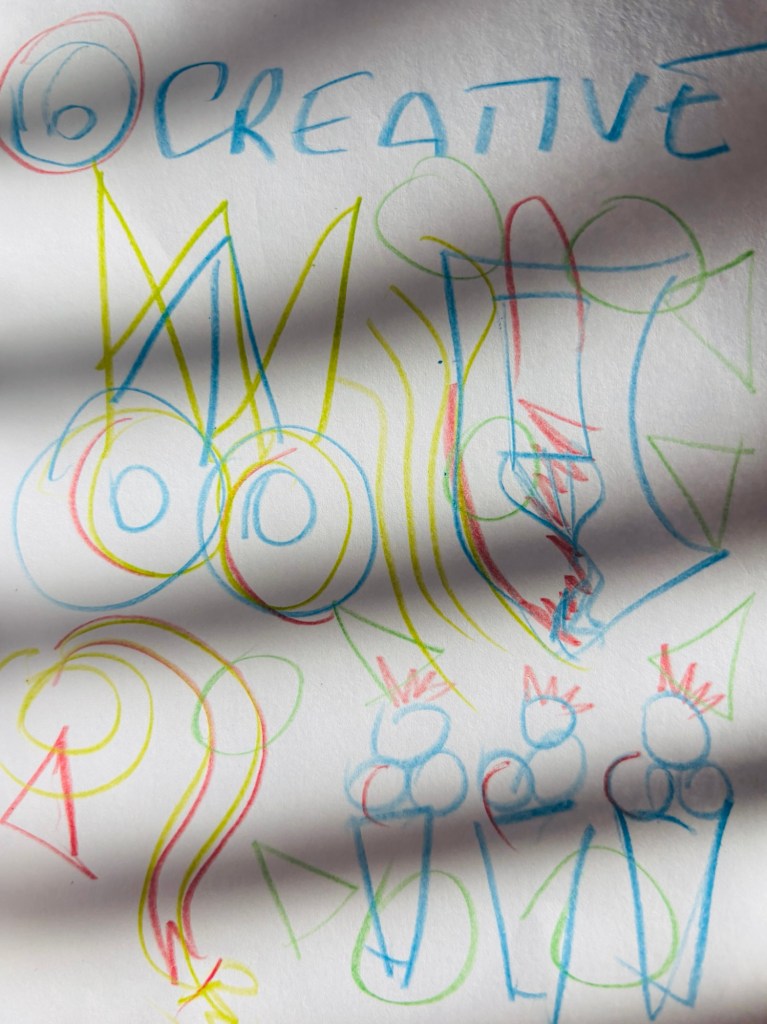
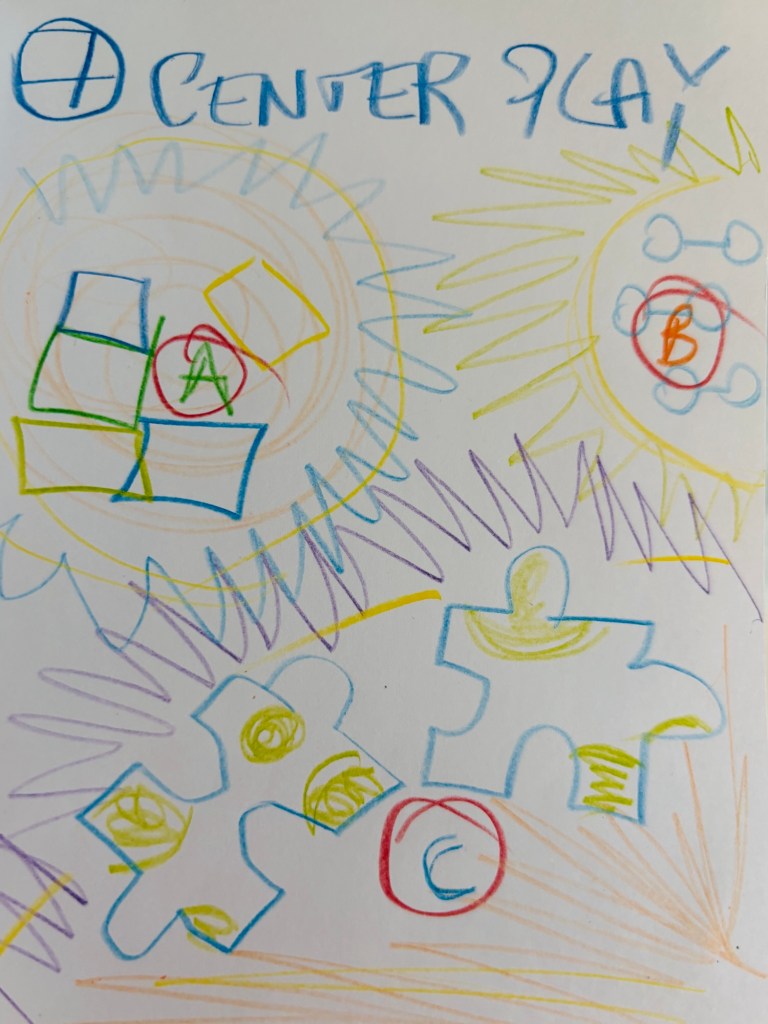
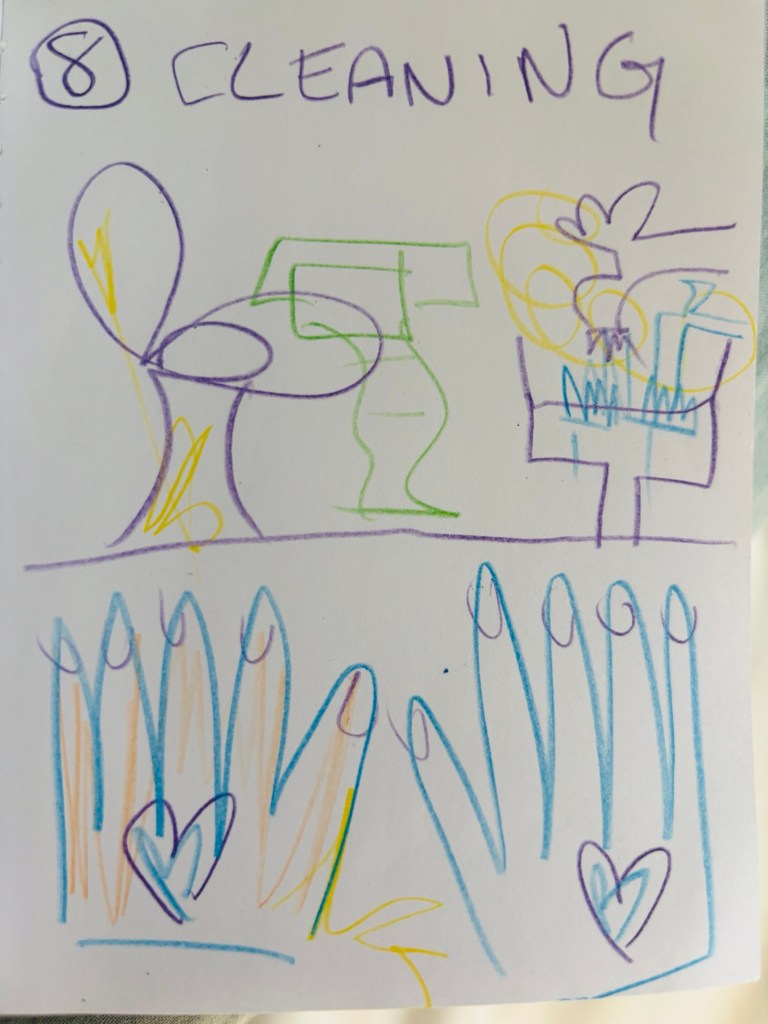
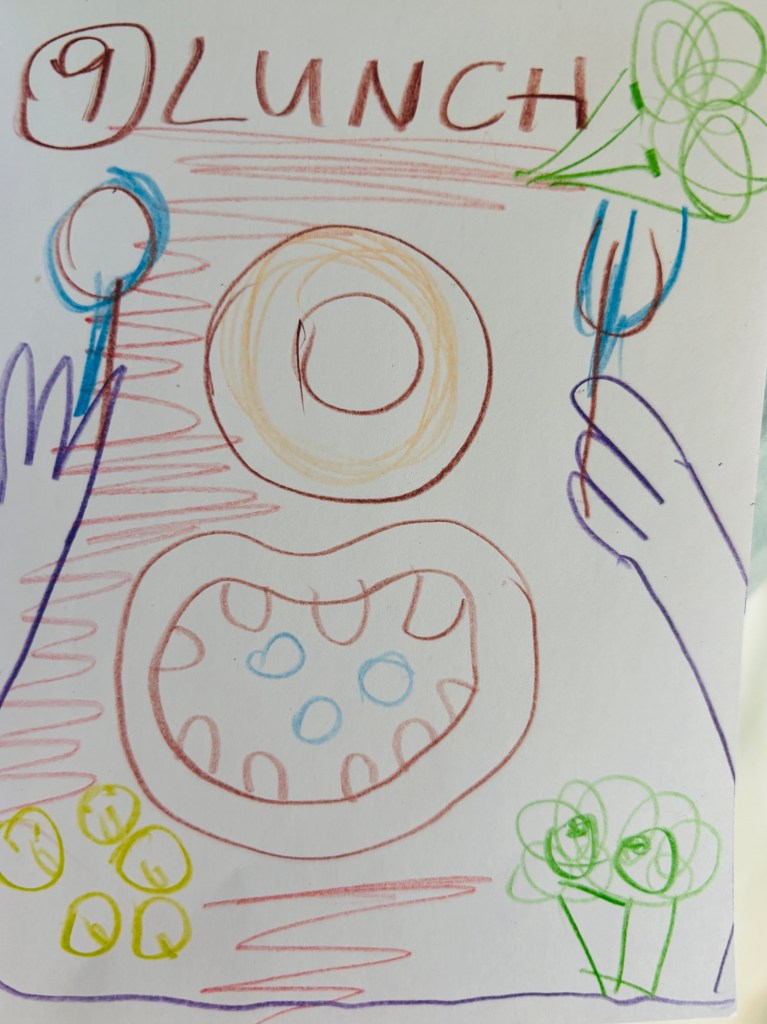
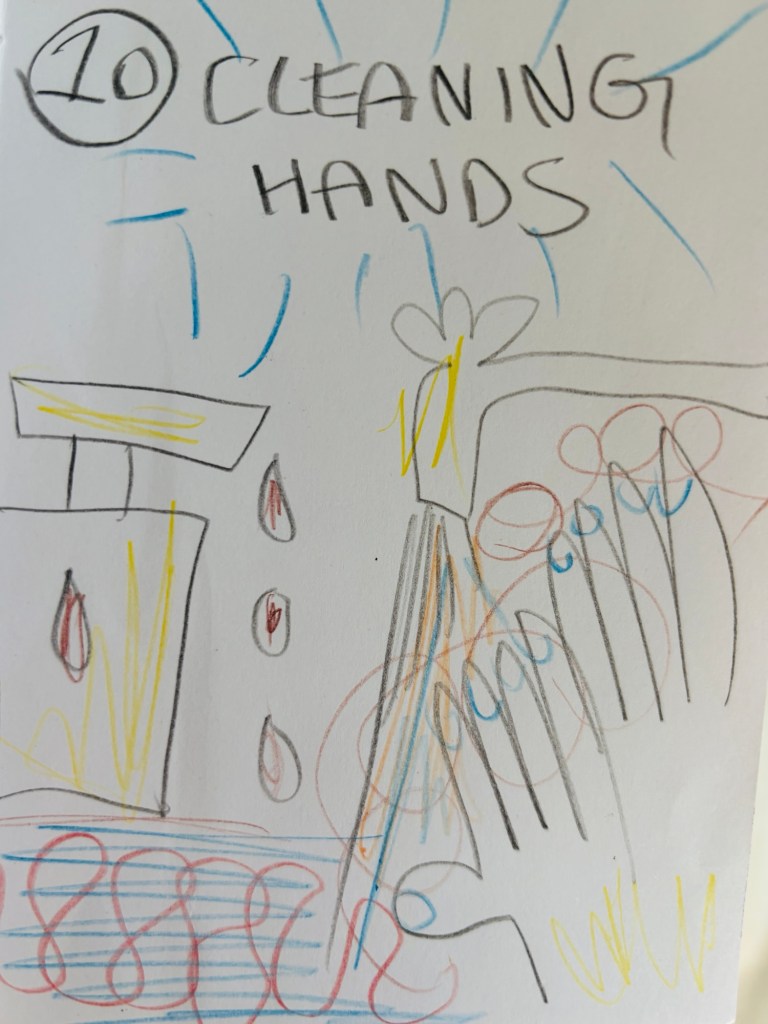
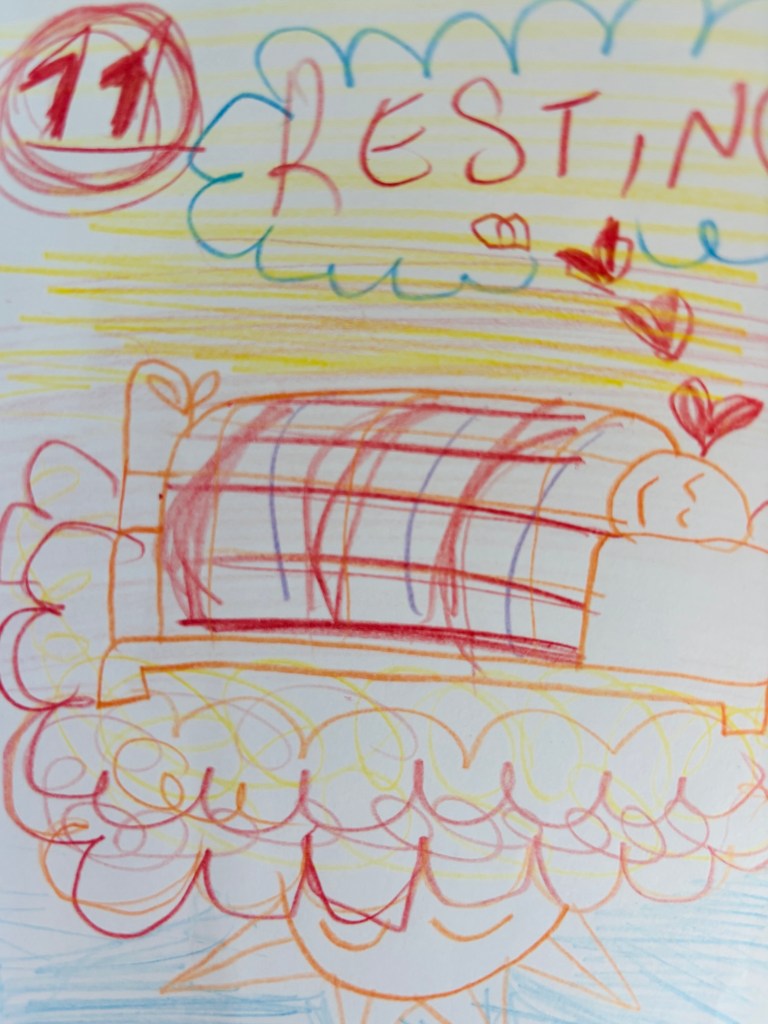
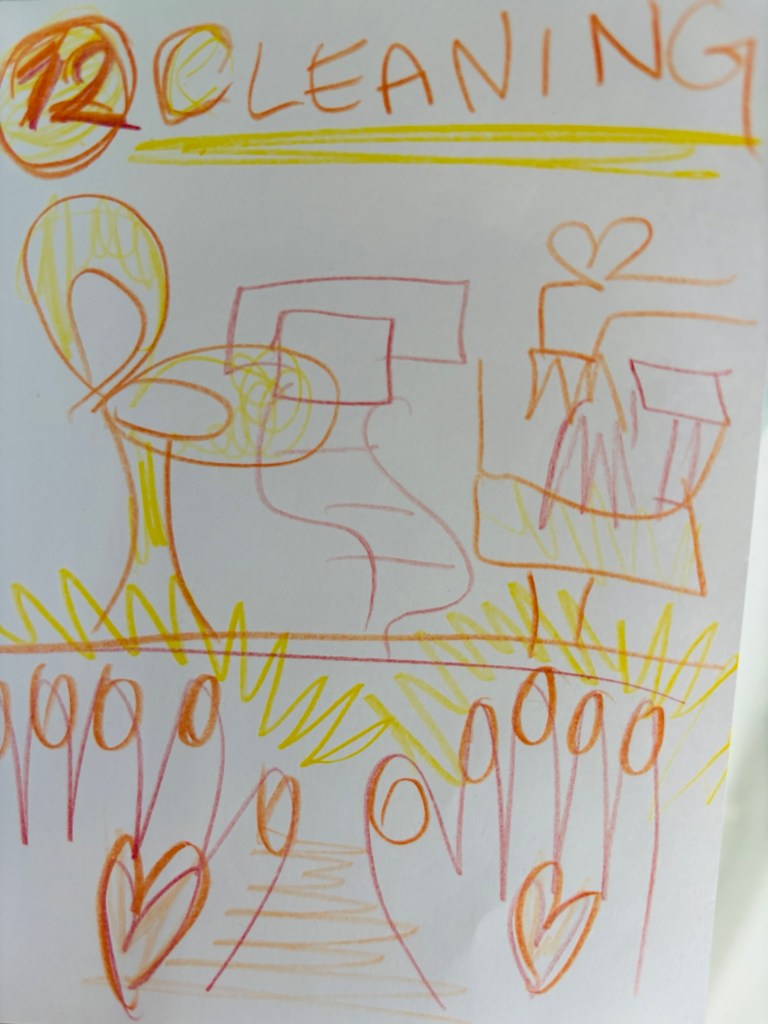
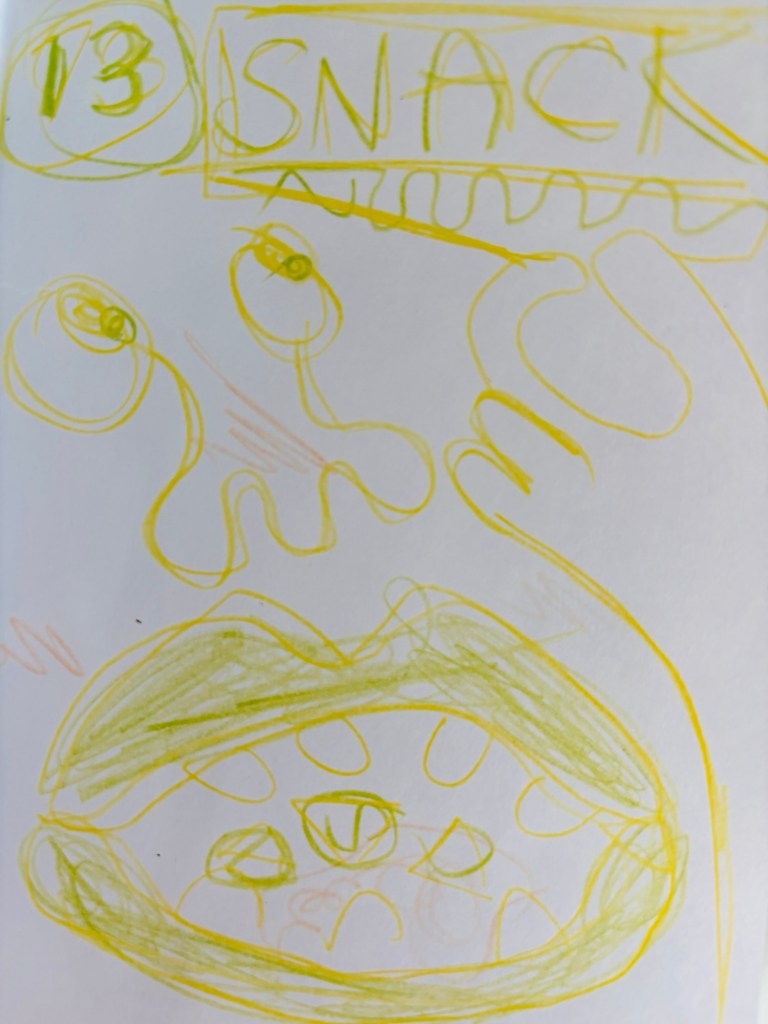
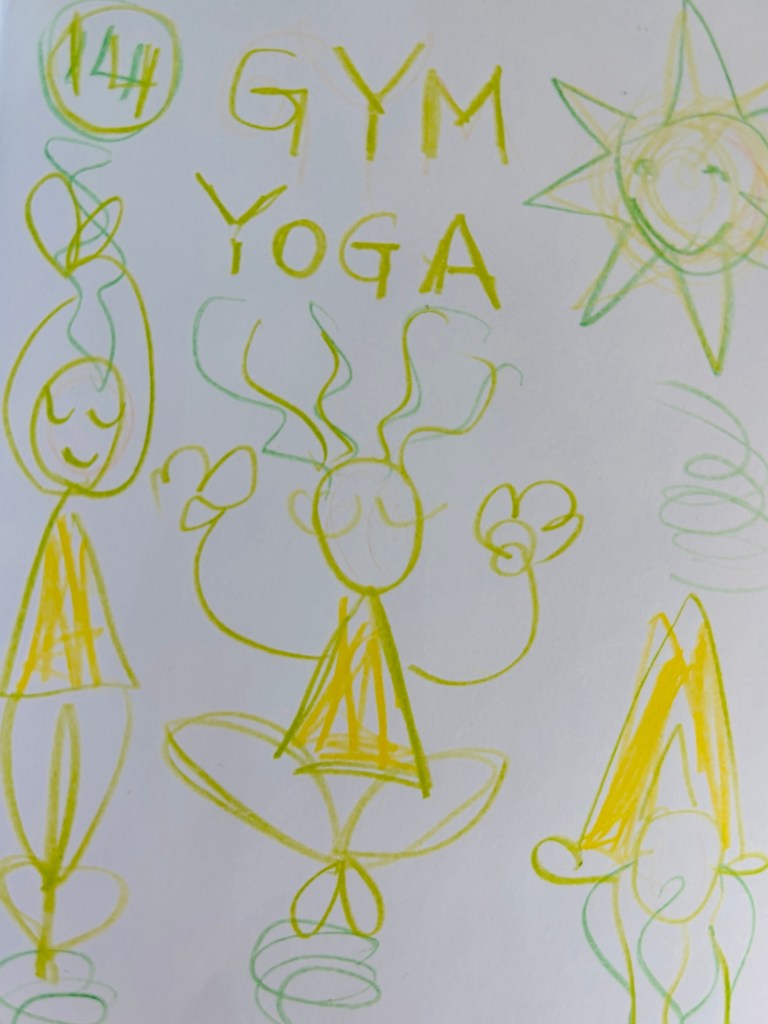
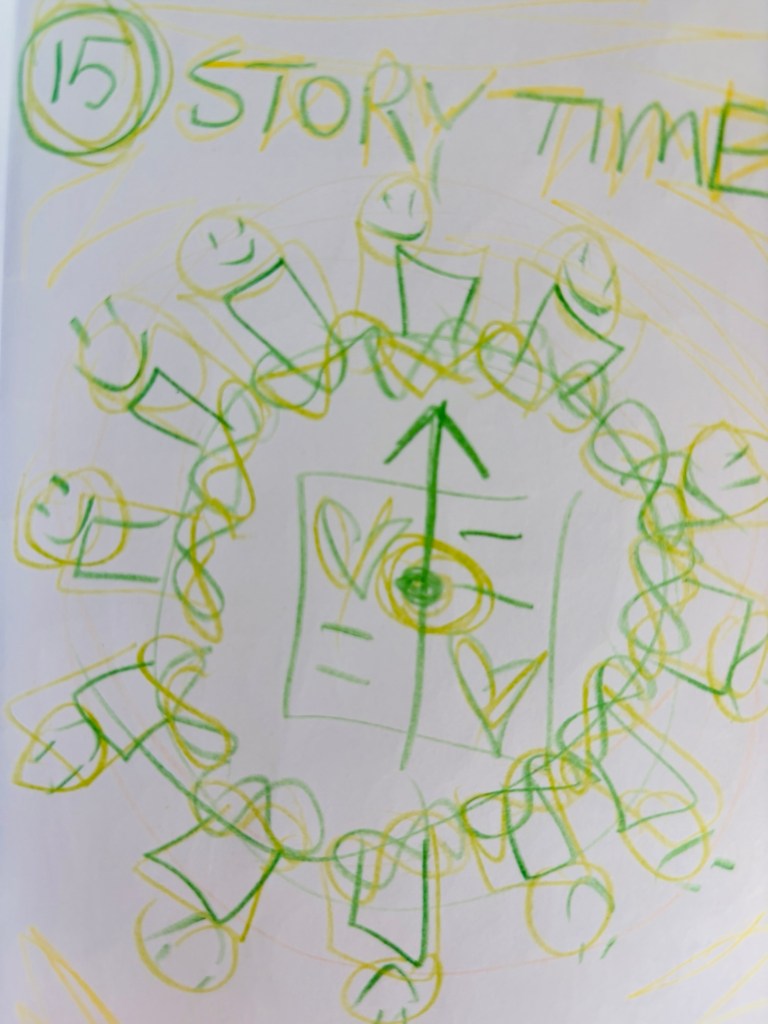
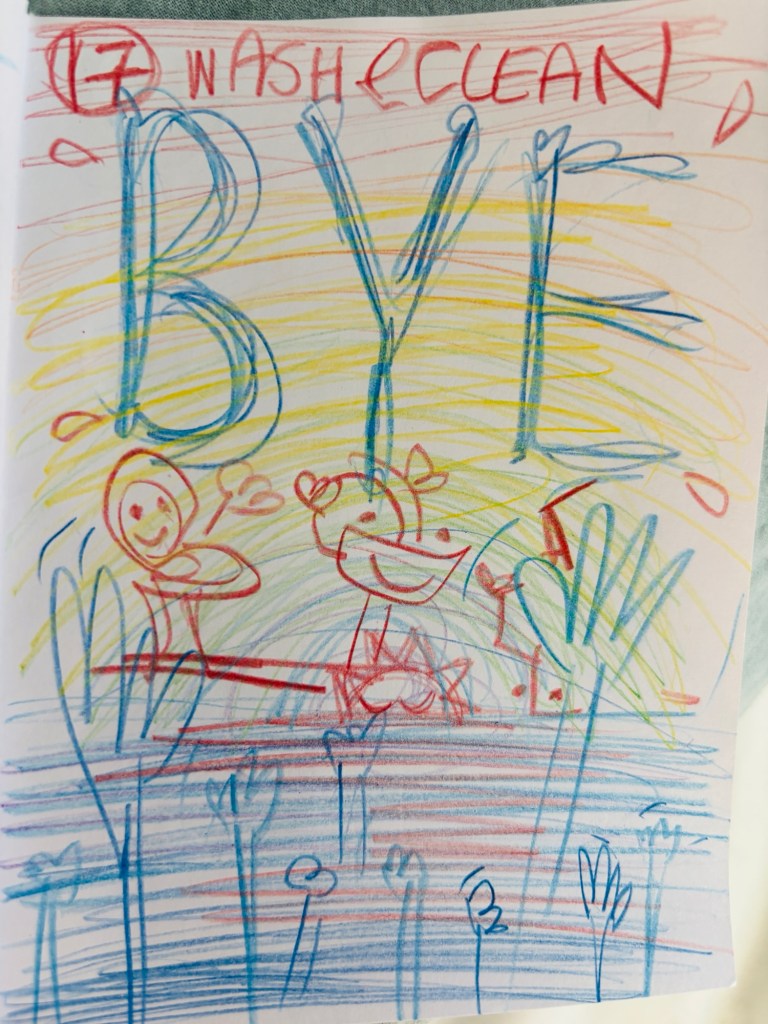
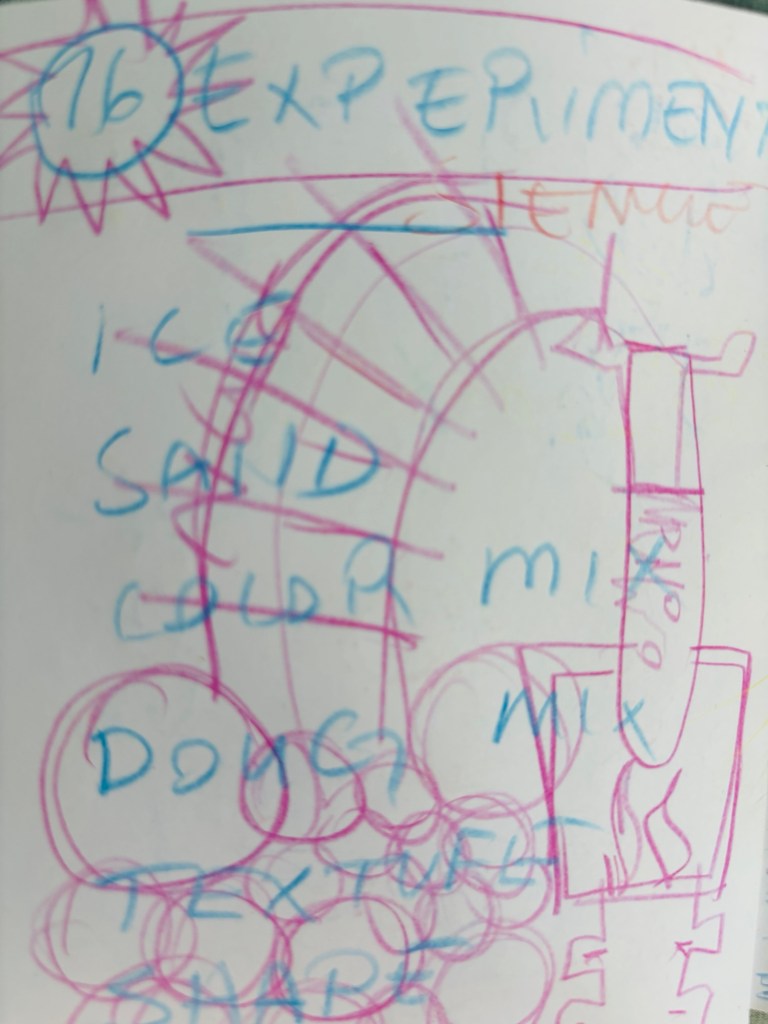
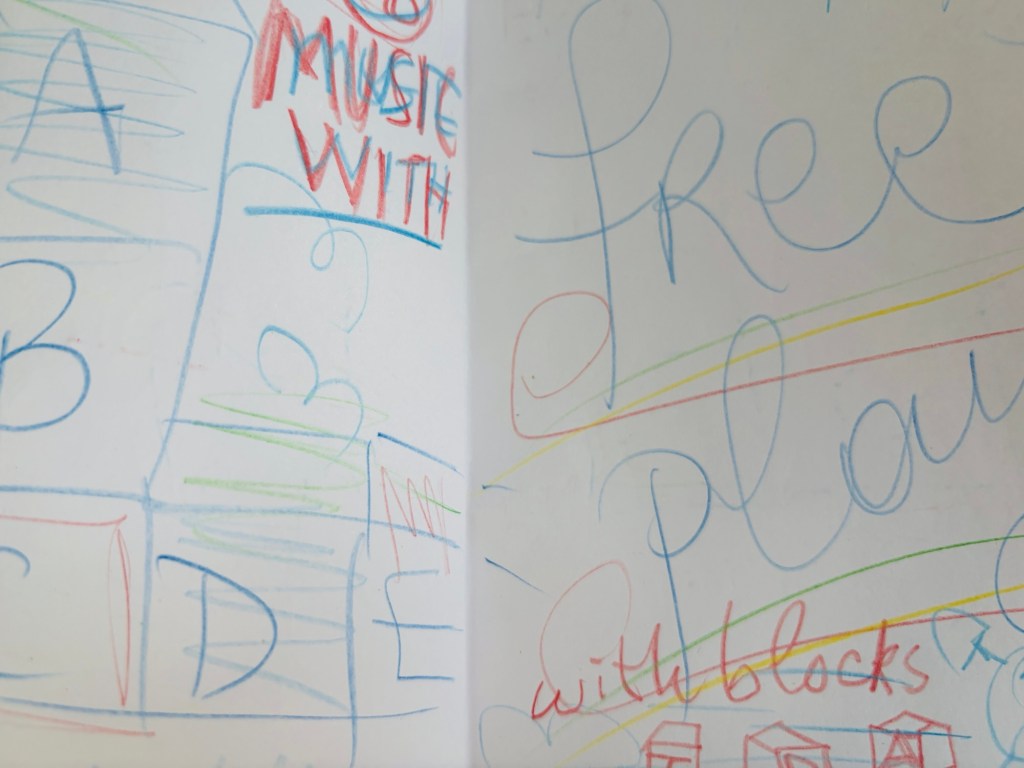
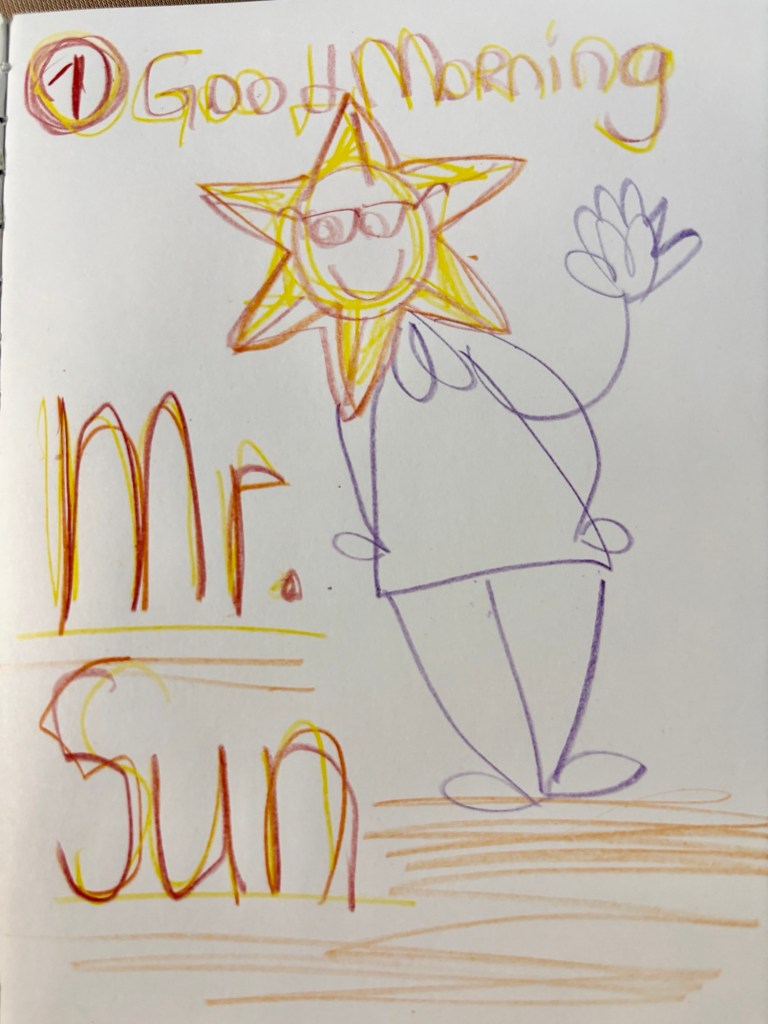
🌅 1. Good Morning
We begin with sunshine energy.
We greet each other, we smile, we wave.
This is where belonging starts.
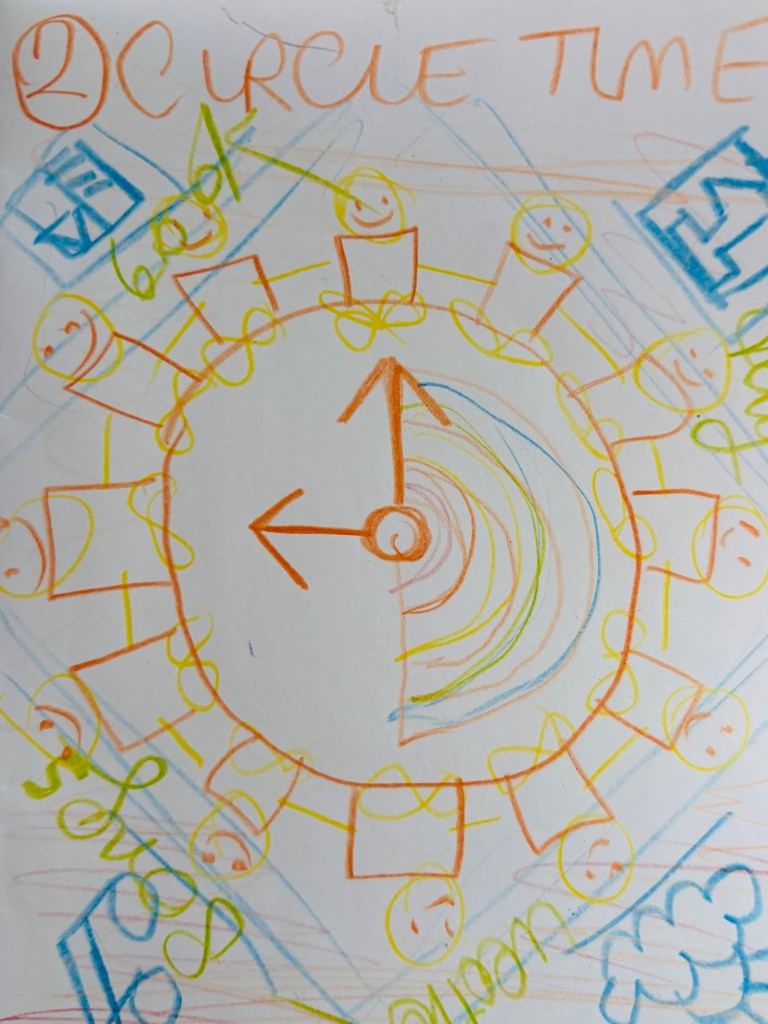
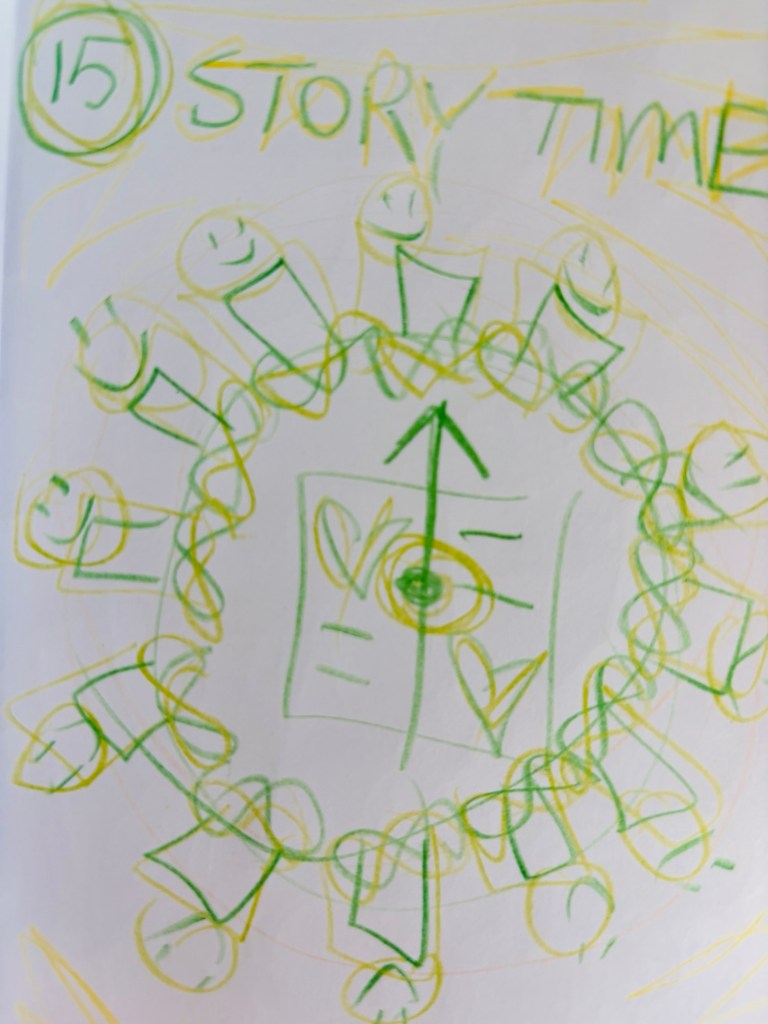
⭕ 2. Circle Time
We sit in a circle.
We sing.
We talk.
We listen.
Circle time builds:
attention patience turn-taking community
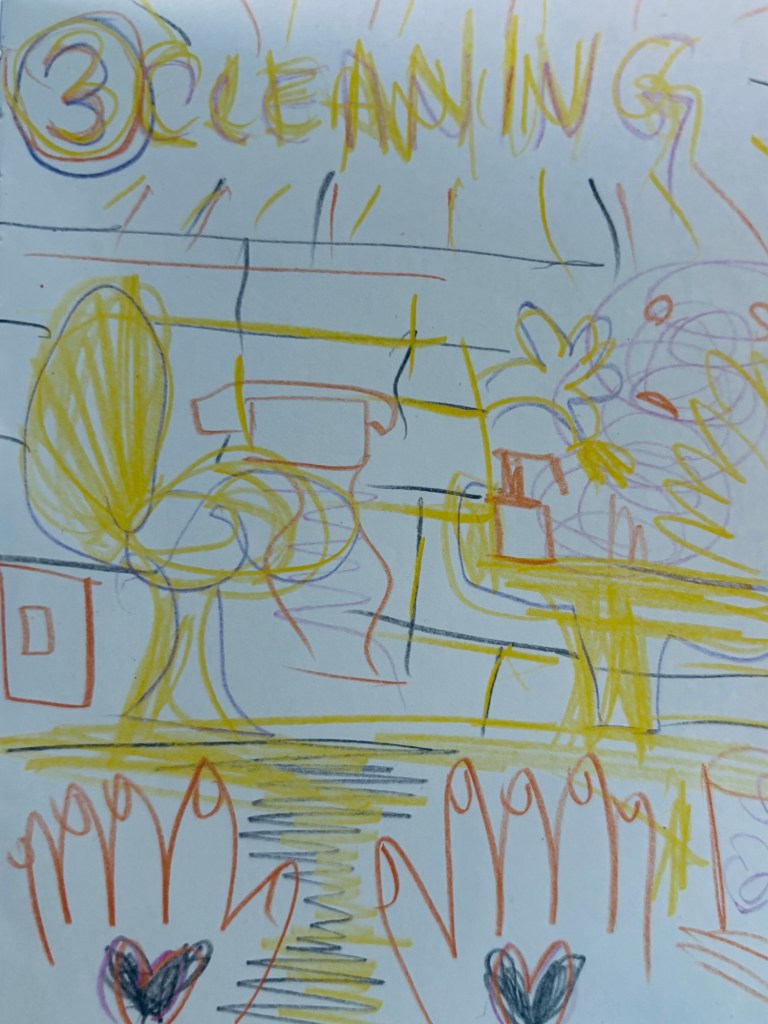
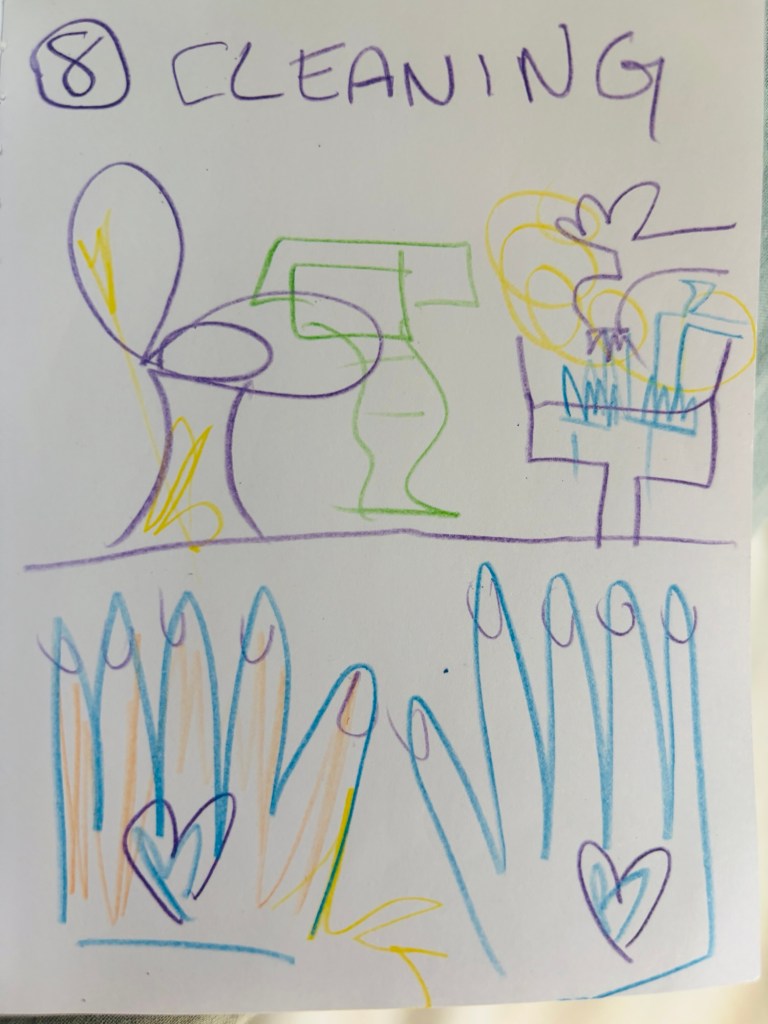
🧽 3. Cleaning
We clean our space together.
We learn responsibility.
We respect our classroom.
Cleaning is not punishment —
it is care.
🍎 4. Snacks
We practice:
healthy choices sitting safely conversation gratitude
Food is social learning.
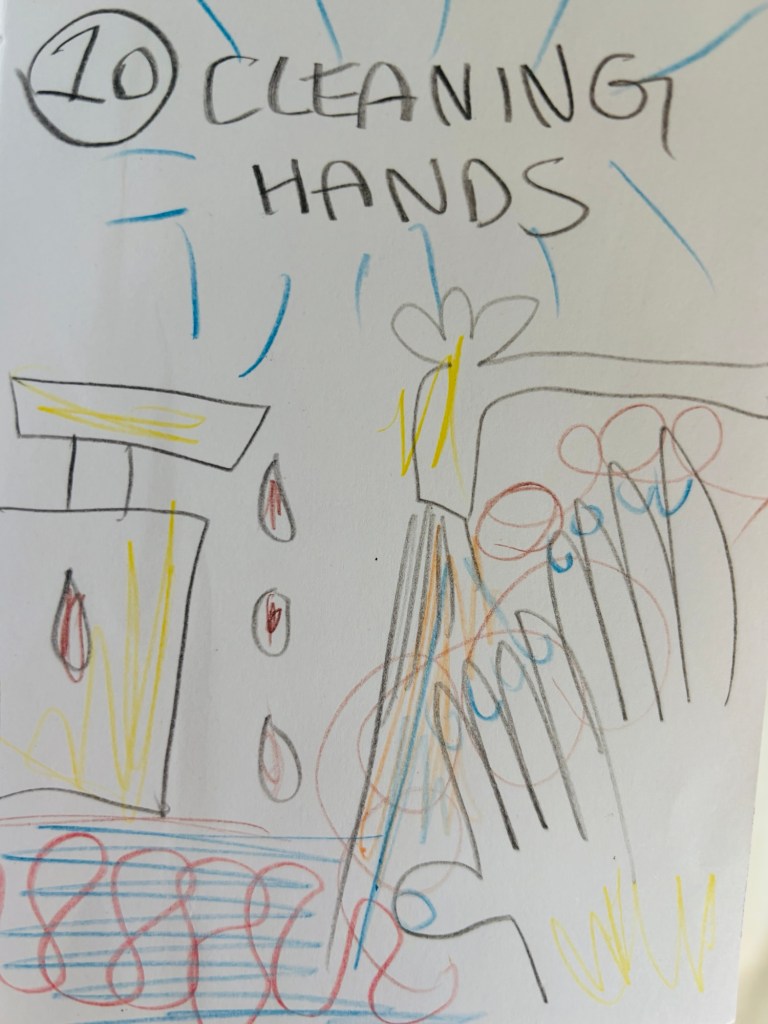
🫧 5. Cleaning Hands
We wash.
We scrub.
We rinse.
We learn hygiene and independence.
🎨 6. Creative Time
We explore.
We paint.
We cut.
We imagine.
Creativity builds confidence.
There is no “wrong” art here.
🧩 7. Center Play
Children choose:
blocks puzzles letters role play
Choice builds decision-making.
Play builds thinking.
🧹 8. Cleaning Again
Transitions matter.
We reset the room.
We reset ourselves.
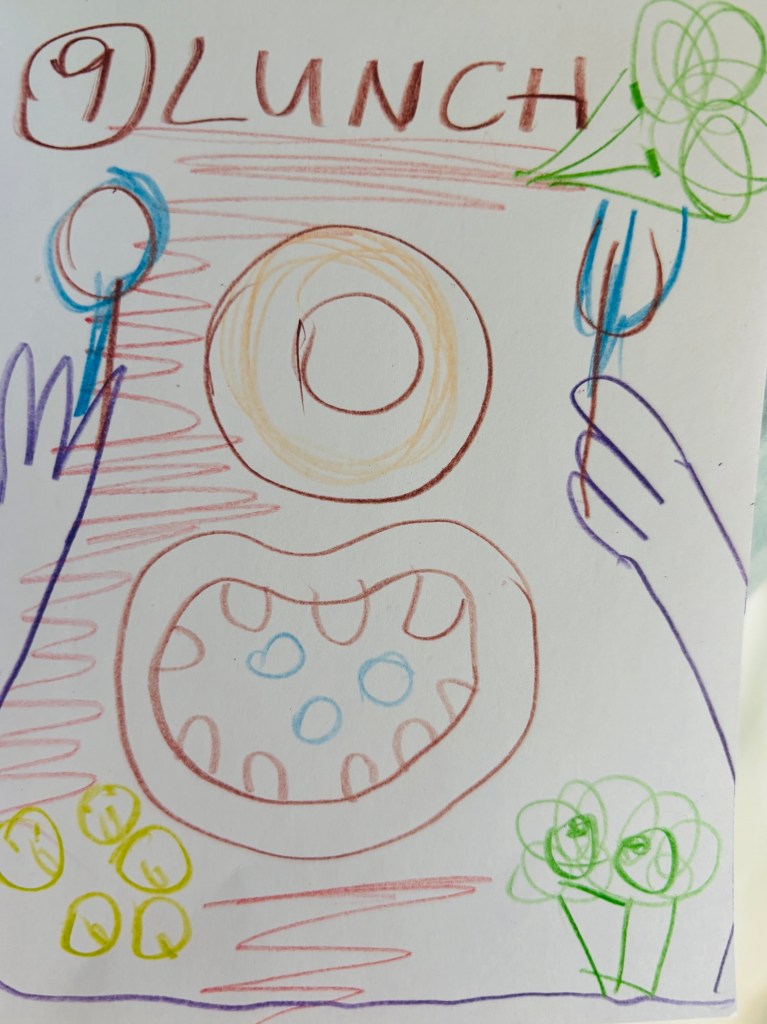
🍽 9. Lunch
We sit together.
We practice manners.
We practice independence.
This is calm time.
🌈 My Red & Green Sticker System
Inside my handbook, next to each child’s name, there is space for a sticker.
🟢 Green Sticker –
Kind hands.
Listening ears.
Helping heart.
Excellent participation.
🔴 Red Sticker –
Unsafe behavior.
Unkind choices.
Not following classroom expectations.
The goal is not punishment.
The goal is awareness.
Green stickers are celebrated.
Red stickers are learning opportunities.
We talk.
We repair.
We try again.
Every child always has another chance.
💛 Why I Carry This
Because wobblers need:
repetition rhythm visual cues calm leadership
And teachers need:
clarity consistency compassion
This little book keeps me steady.
It reminds me that structure is love.
-
Our Daily Routine at Tiny Toes
At Tiny Toes, our daily routine is designed to help children feel safe, confident, and excited about their day. Predictable rhythms support emotional security while leaving plenty of room for creativity, movement, and play.
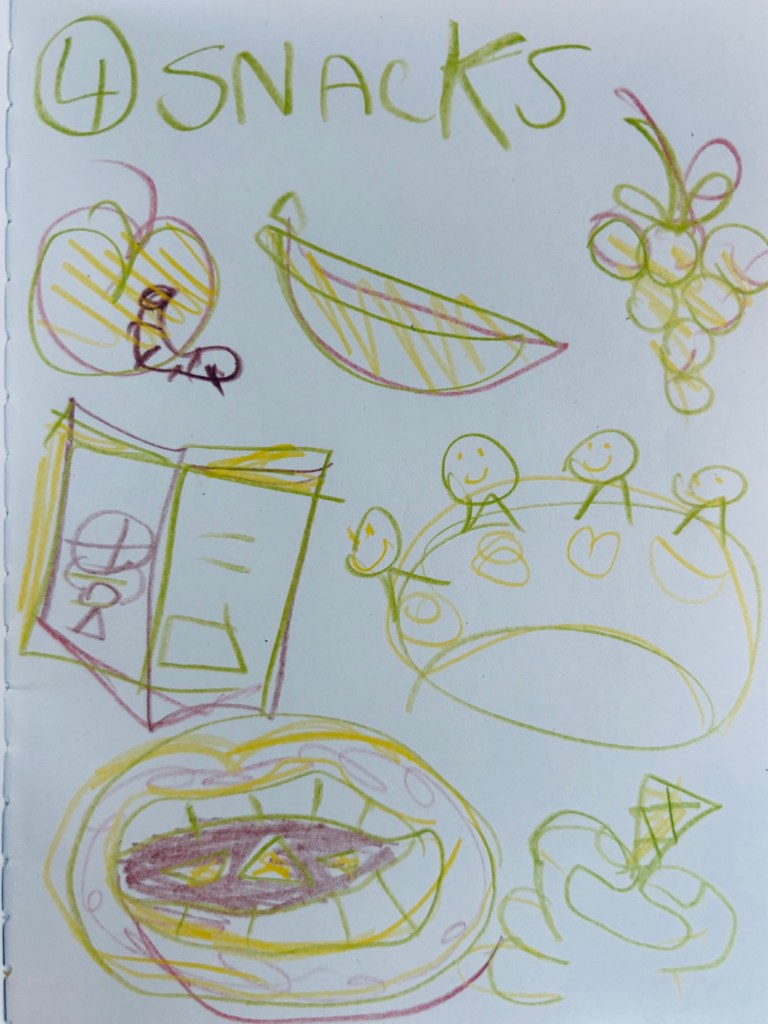
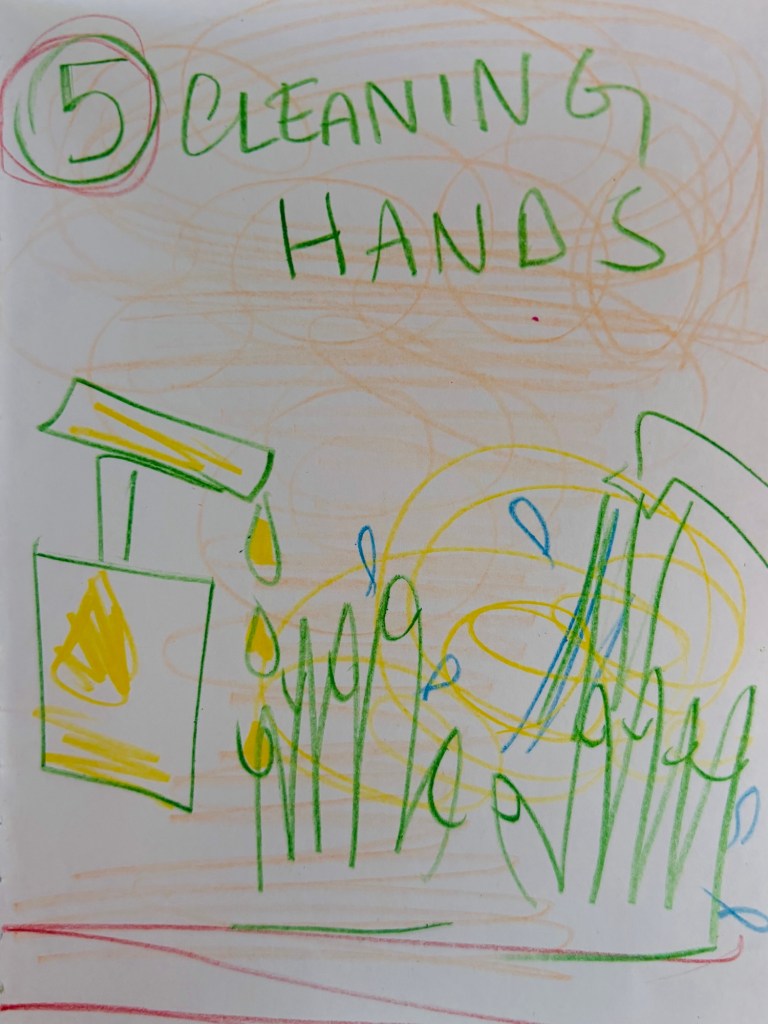
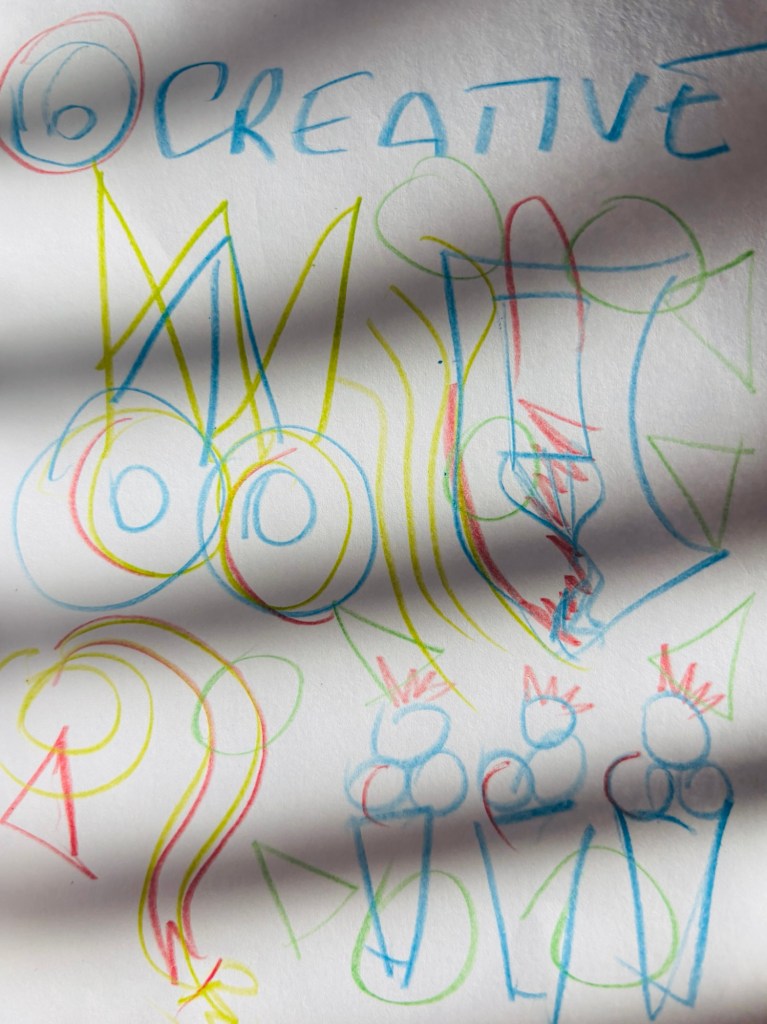
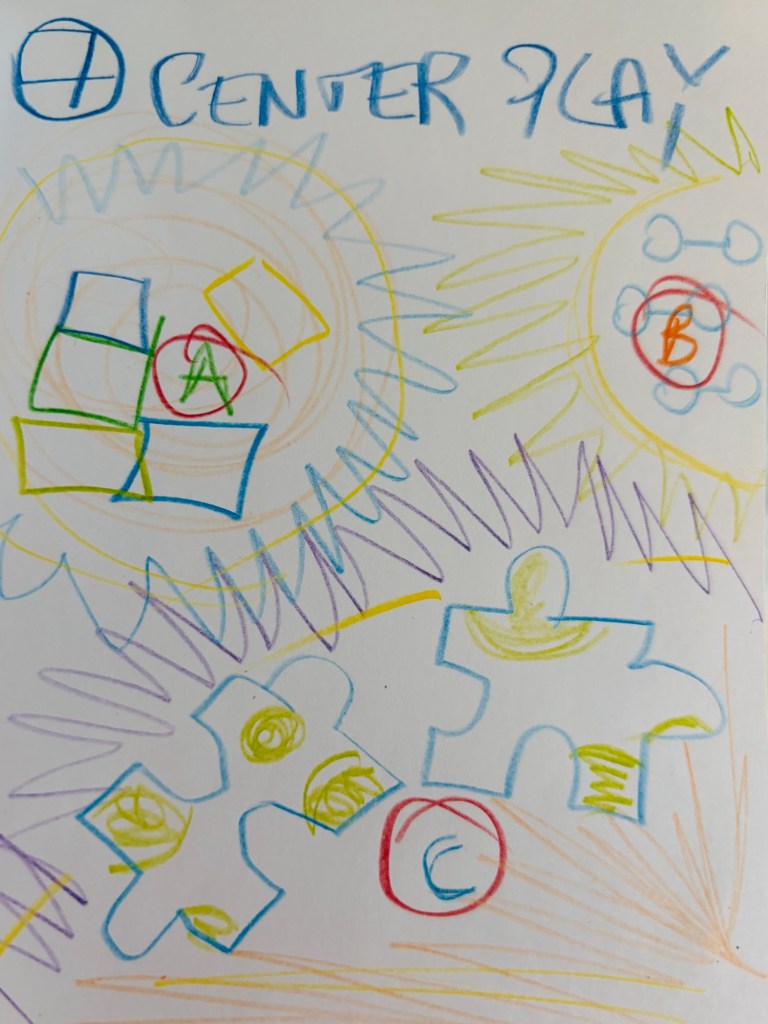
Morning Routine
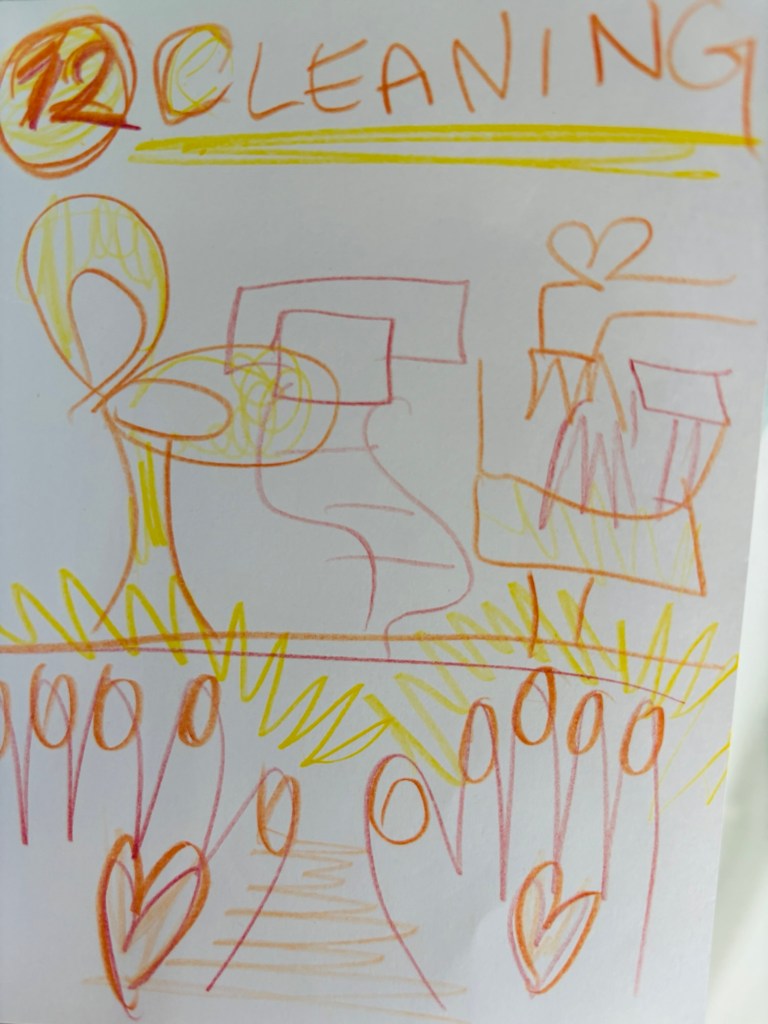
We begin our day by welcoming each child with a cheerful Good Morning. During Circle Time, we greet friends, talk about the day, sing songs, and build early listening and social skills. Afterward, we practice cleaning up together, learning responsibility and teamwork.
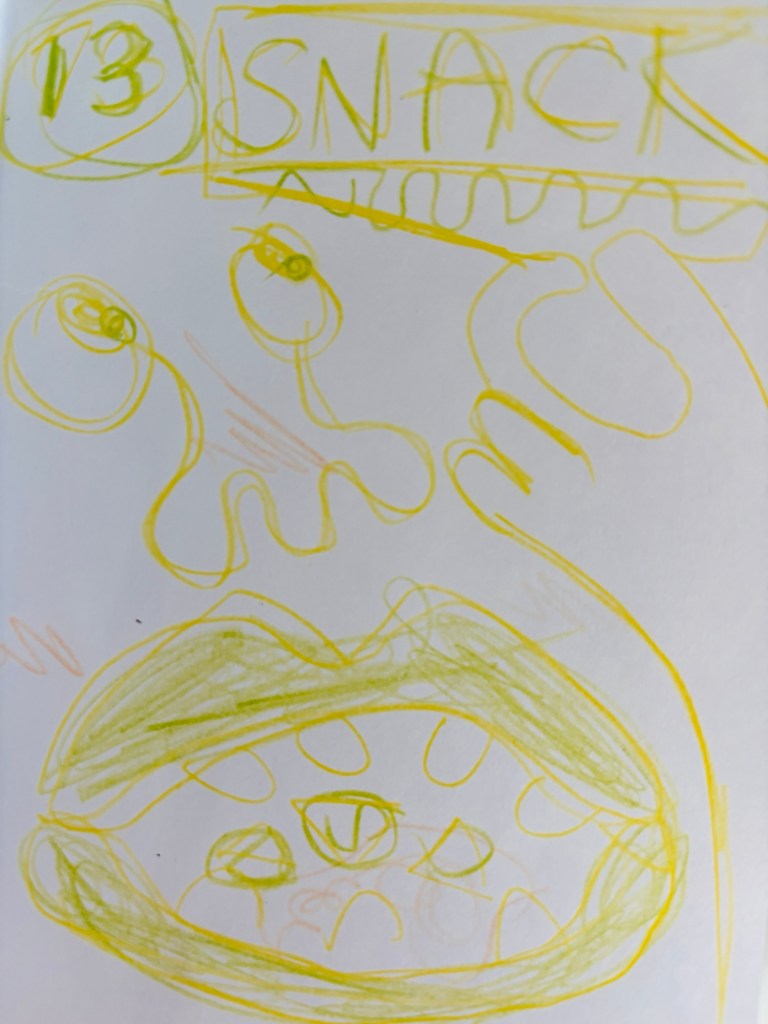
Children then enjoy Snack Time, followed by Hand Washing, helping them build healthy habits and independence. Our mornings continue with Craft Time, where little hands explore colors, textures, and creativity. Next comes Center Play, allowing children to choose activities, problem-solve, and play collaboratively. Before lunch, we tidy up again, reinforcing care for our shared space.
Lunch Time
Lunch is a calm, social moment where children practice self-help skills, table manners, and conversation with friends.
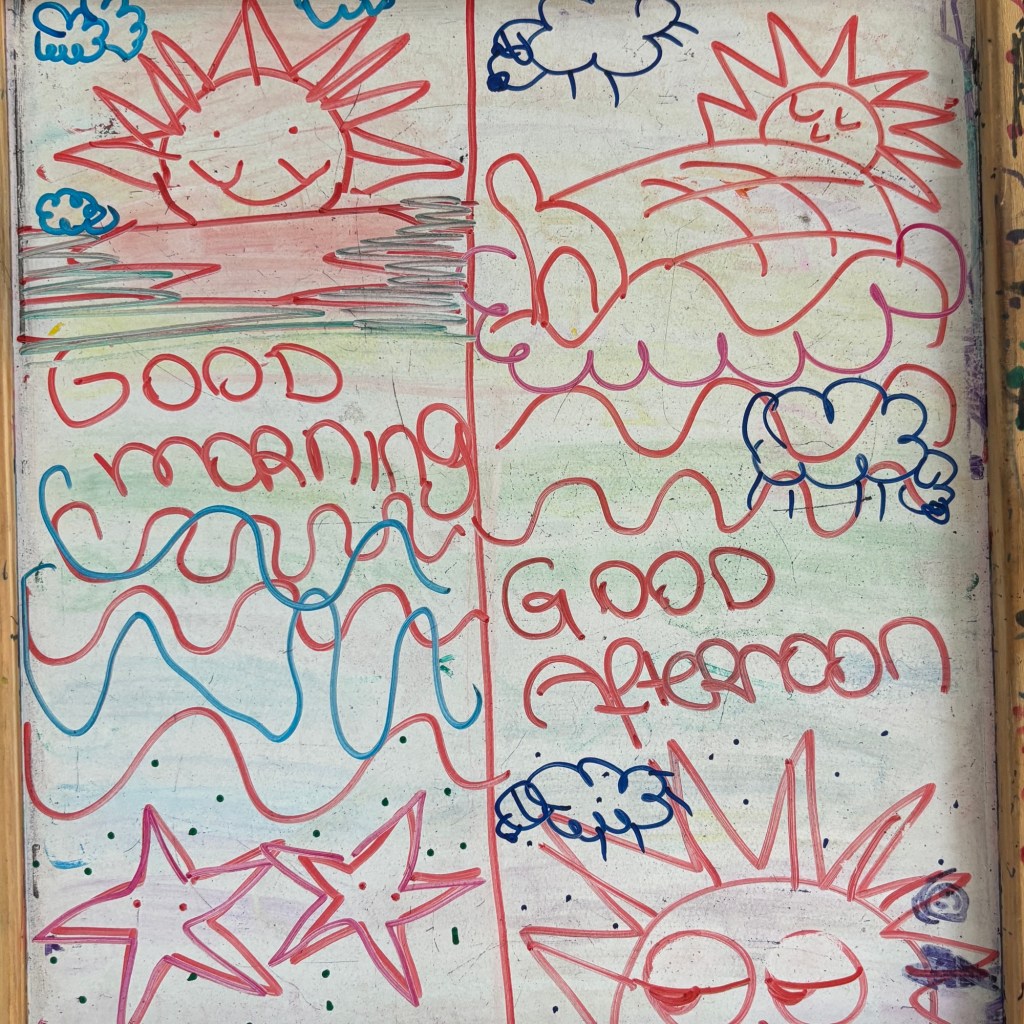
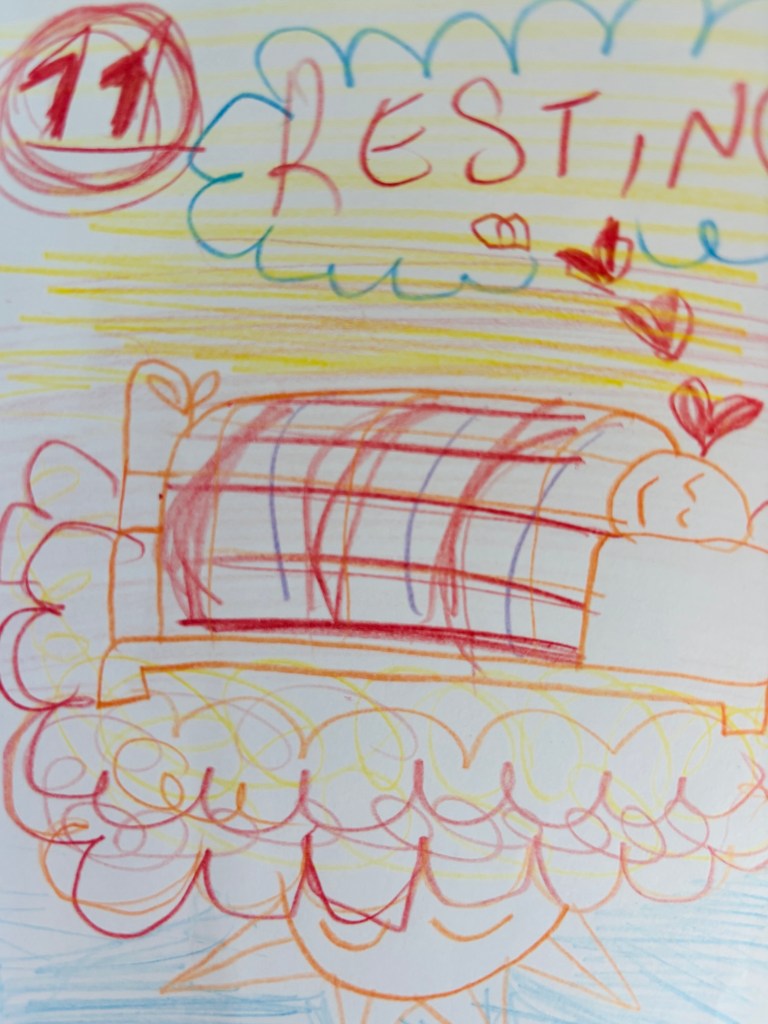
A nice nap 💤 is a must for a fresh afternoon start Afternoon Routine
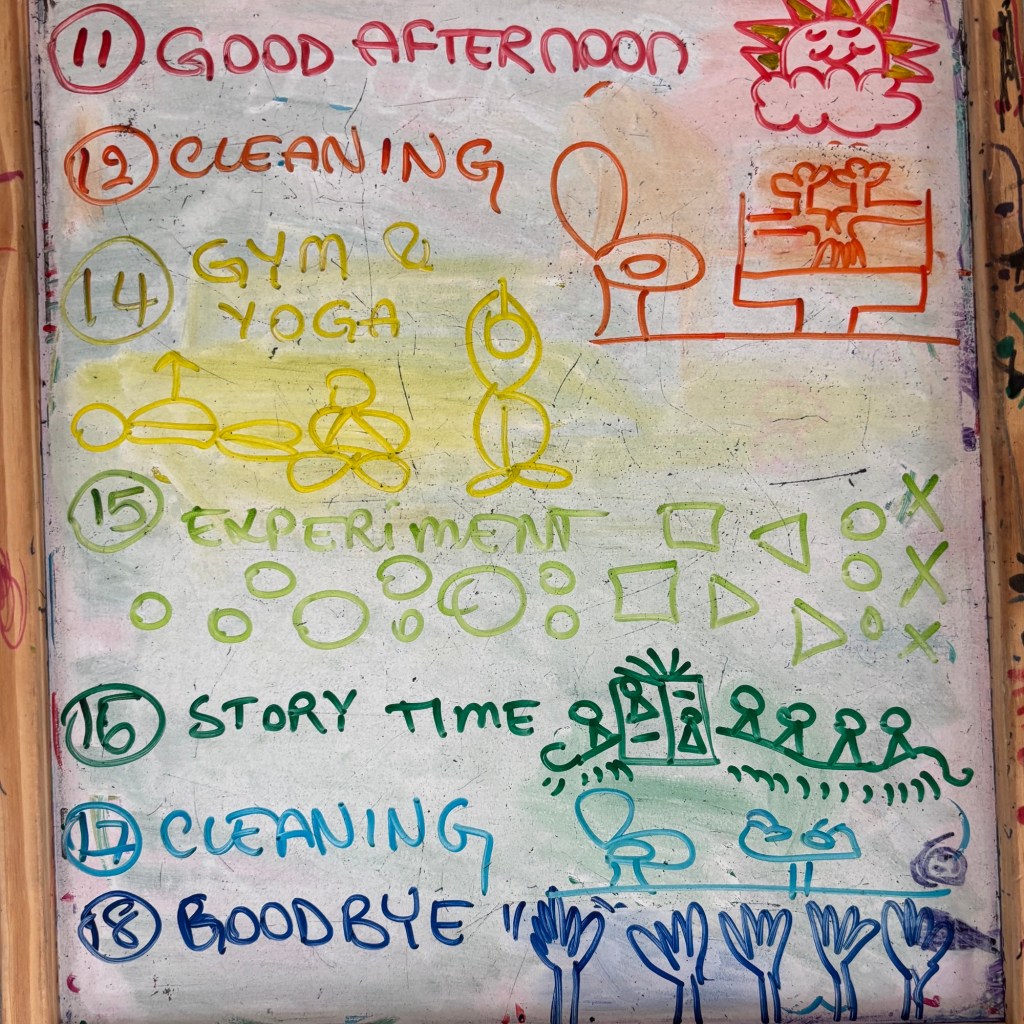
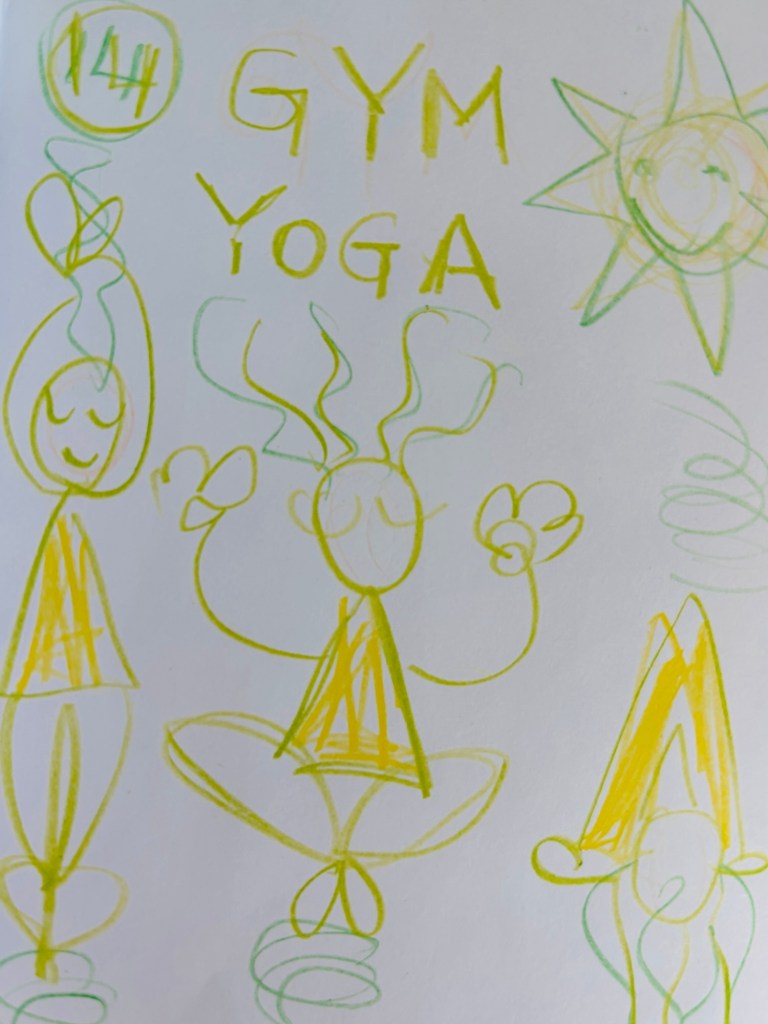
After lunch, we gather for a gentle Good Afternoon check-in, followed by clean-up time. Children then move their bodies during Gym and Yoga, supporting balance, coordination, and self-regulation.
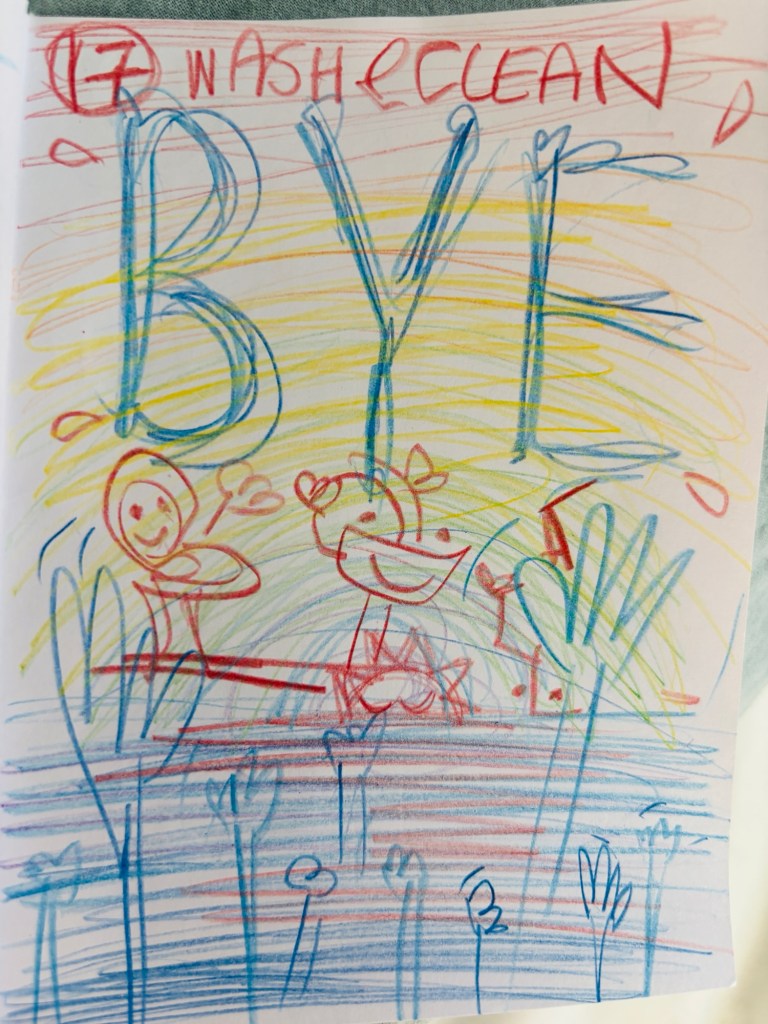
We continue with simple experiments and hands-on exploration, encouraging curiosity and early STEM thinking. The day winds down with Story Time, helping children relax, imagine, and build language skills. After a final clean-up, we end the day with a warm Goodbye, celebrating the time we spent together.
Our routine balances structure and flexibility, helping children feel secure while growing socially, emotionally, and creatively—one joyful day at a time 💛
🎨 My Classroom Rule Illustrations
I draw my rules.
Not printed posters.
Not complicated charts.
Just simple marker drawings.
Because wobblers understand pictures faster than words.
🚫 No Pushing
(Big circle with a line)
Two friends pushing.
Sad faces.
Stopped by a purple circle.
This tells them:
“We don’t hurt.”
🚫 No Pulling
Hair pulling, arm grabbing —
also inside the circle.
Visual reminder:
Hands must stay gentle.
🚫 No Hitting
No rough hands.
No angry faces.
The crossed circle means:
Stop. Not here. Not at Tiny Toes.
💛 Yes to Friendship
Under every “No” picture,
there is a “Yes” picture.
Two smiling friends.
Holding hands.
Holding a heart.
Because children need to see:
what TO do —
not only what NOT to do.
-
🎶 Good Morning Song
We sing good morning and count together.
Each child gets a number.
We say hello to each friend by name and wave 👋We reach up high to the sky,
Stretch our arms up tall ☀️Then we bend down low,
Touch our tiny toes 👣
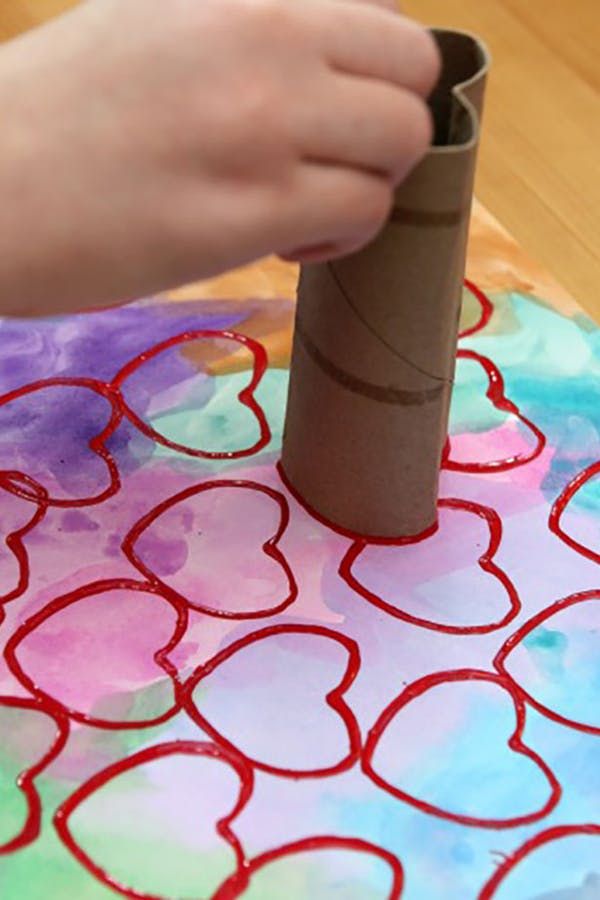
And say: “Good morning, tiny toes!” to ourselves.❤️ Monday Craft – Heart Stamping (Valentine Collection)
Monday Craft:
Heart stamps on white paper.Children use heart-shaped cardboard roll stamps dipped in paint to stamp on white paper. Each child creates a Valentine card.
We will collect the cards all week, adding one each day, and share or take them home on Friday as a Valentine collection.
Focus:
- Fine motor skills
- Color exploration
- Repetition & pattern
- Valentine’s Day love & sharing
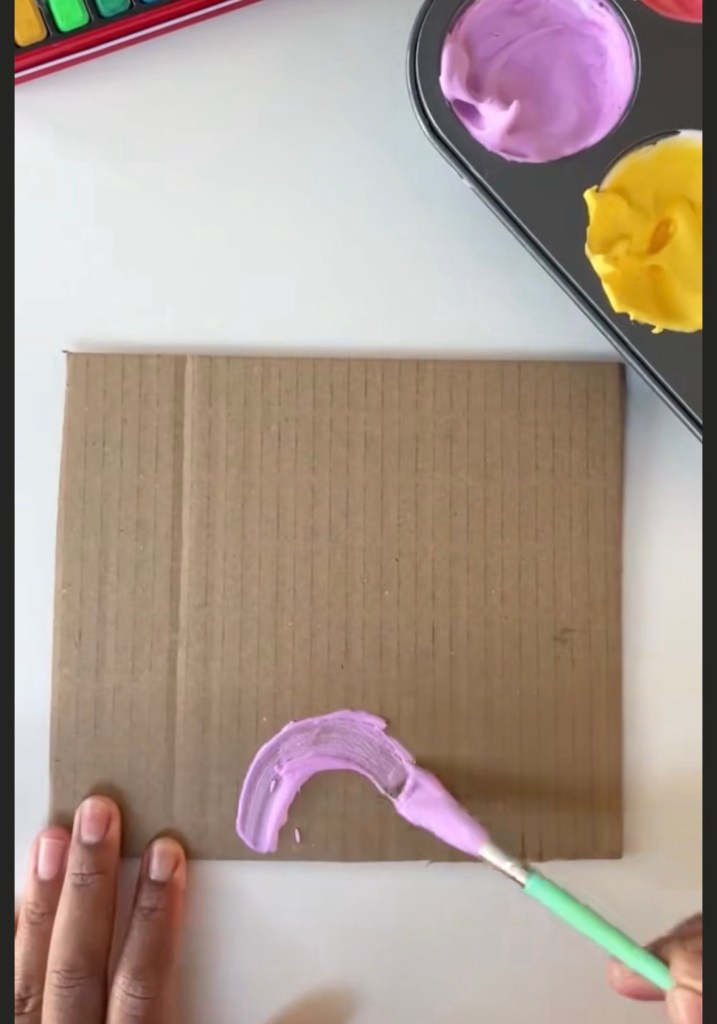
🎨 Tuesday Craft – Foam Coloring on Cardboard
Children explore foam paint by spreading and coloring on cardboard pieces.
They use their hands or simple tools to press, move, and observe colors mixing.These pieces will become part of our Valentine card collection for the week.
Focus:
Sensory exploration Color mixing Fine motor development Creative expression
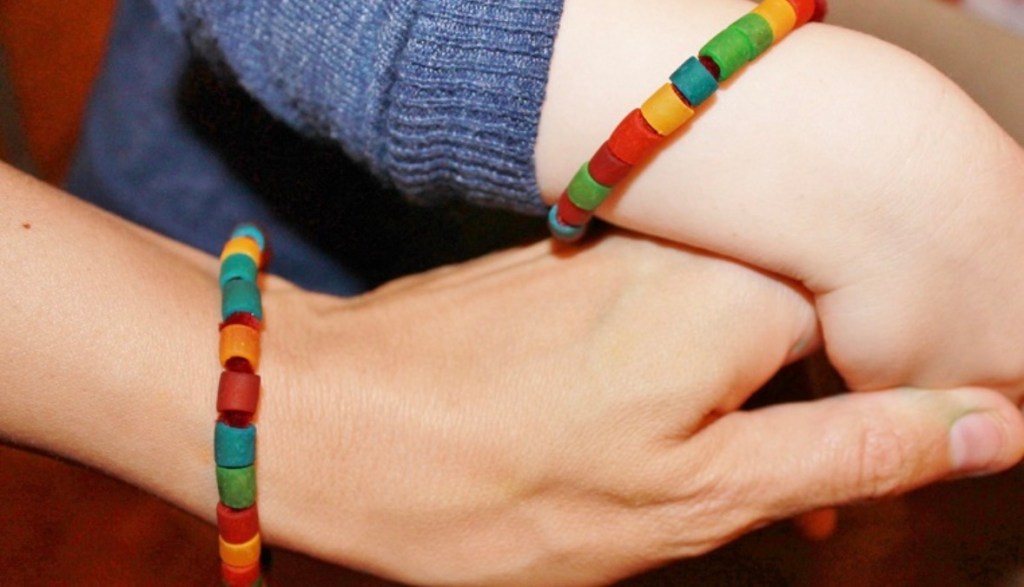
Wednesday 🌈Craft – Dyed Pasta Bracelets
Children explore coloring pasta using food coloring and observe how the colors change and dry.
Once the pasta is ready, they string the pasta onto pipe cleaners to create their own bracelets.Each bracelet celebrates fine motor work, color play, and creativity, and becomes part of our Valentine week creations.
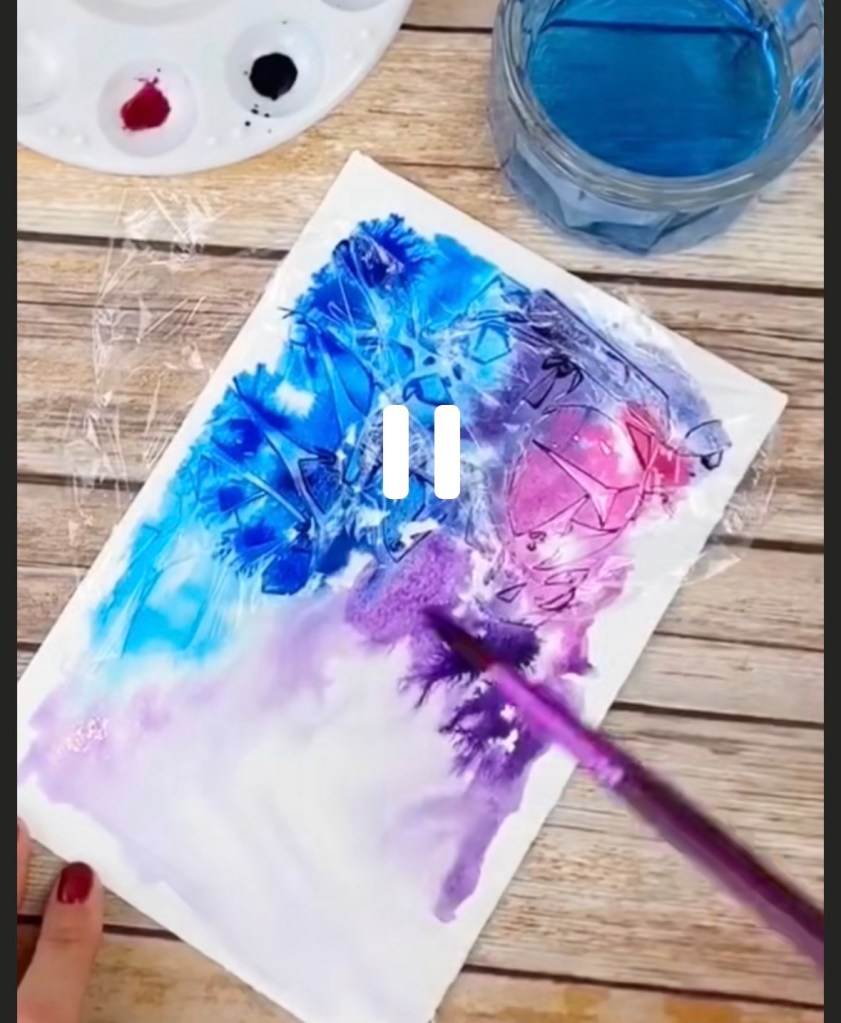
Thursday Craft:
Children draw free lines and dots with crayons. They paint over the marks with watercolors to explore wax resist and color mixing. The paper is folded and, with help, a heart shape is cut out to explore symmetry.
❤️ Friday Craft – Heart Character
Children fold paper back and forth to make an accordion.
They create a heart character by sticking the folded paper parts (arms and legs) onto the heart, following simple instructions.

🌈 Afternoon Plays of the Week
1️⃣ Play-Doh Time
Children play with their own Play-Doh, labeled with their name.
They keep their own color and play next to a friend.
Sharing space, not dough.
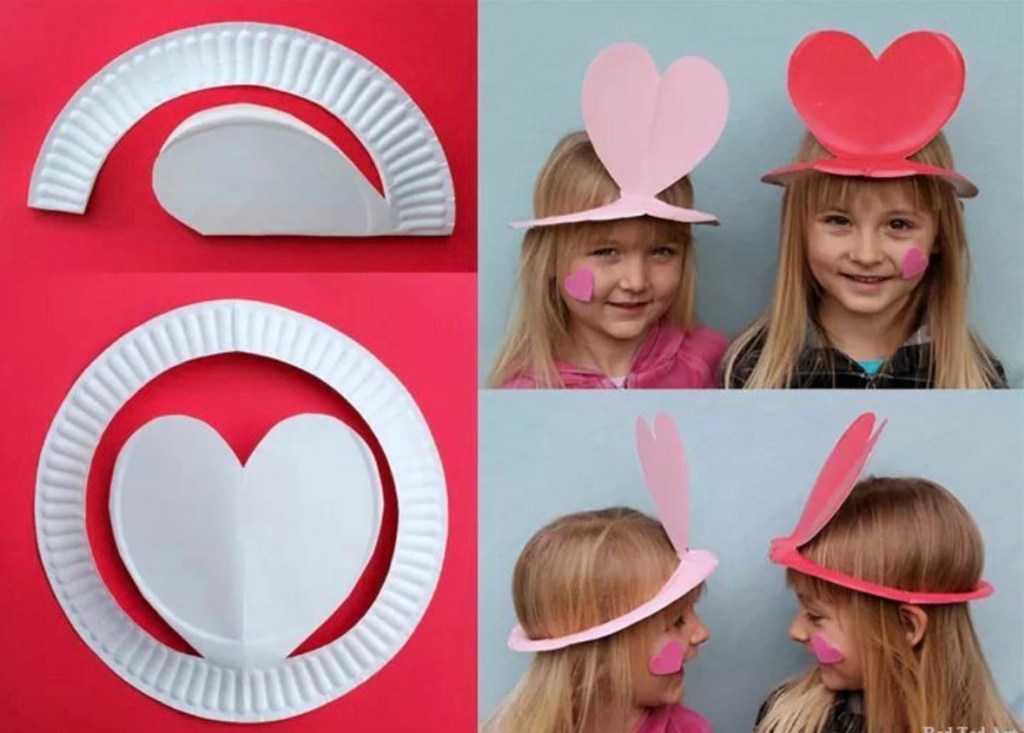
2️⃣ Crown Stamping
Children who choose to participate stamp heart shapes onto paper plate crowns.
Crowns are pre-cut, and children decorate freely.
3️⃣ Afternoon Gymnastics & Games
The Floor Is Lava Duck, Duck, Goose
These games support movement, listening, and social play.
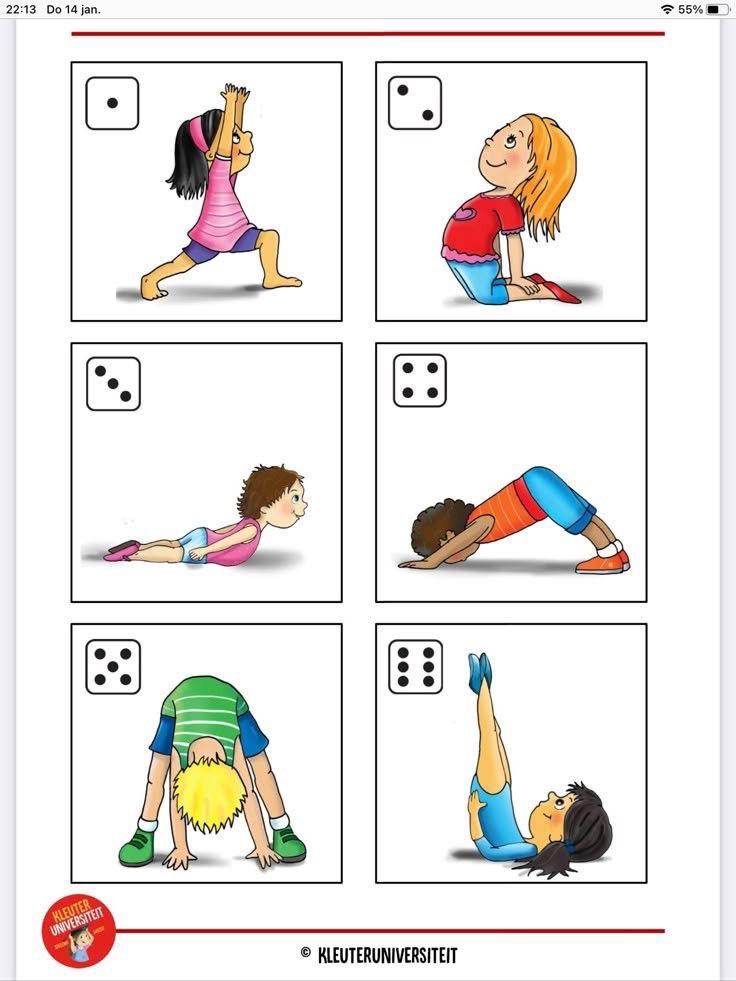
🎲 Dice Yoga – Afternoon Play
Children take turns rolling the dice.
Each number matches a yoga pose.
We move our bodies slowly and safely, copying the pose together.
We breathe, stretch, and have fun.
Focus:
Gross motor development Balance & coordination Listening & turn-taking Body awareness & calm movement
🎲 Dice Yoga – With Simple Words
1️⃣ Reach Up
👉 “Step and reach up high.” ☀️
2️⃣ Camel
👉 “Sit on knees and look up.” 🐫
3️⃣ Snake
👉 “On your tummy, lift your head.” 🐍
4️⃣ Puppy
👉 “Hands down, bottom up.” 🐶
5️⃣ Bend Down
👉 “Bend down, touch the floor.” 👣
6️⃣ Happy Baby
👉 “On your back, legs up, smile.” 😊
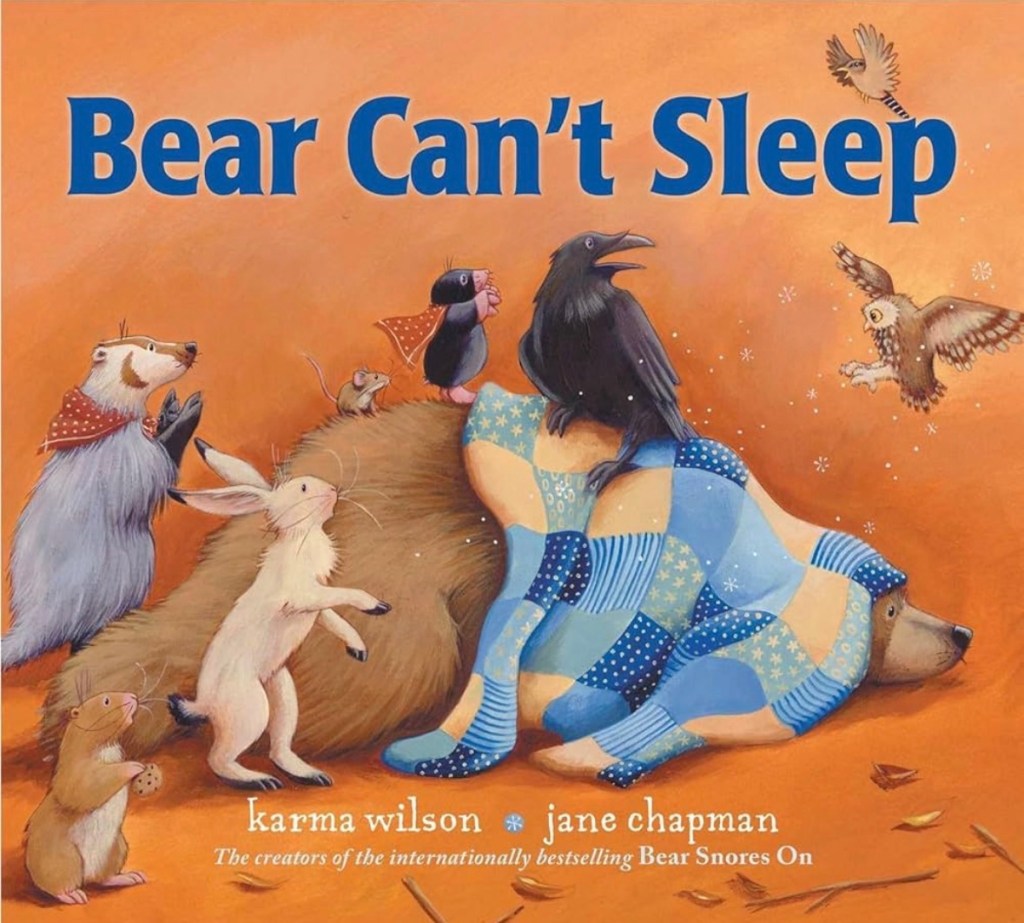
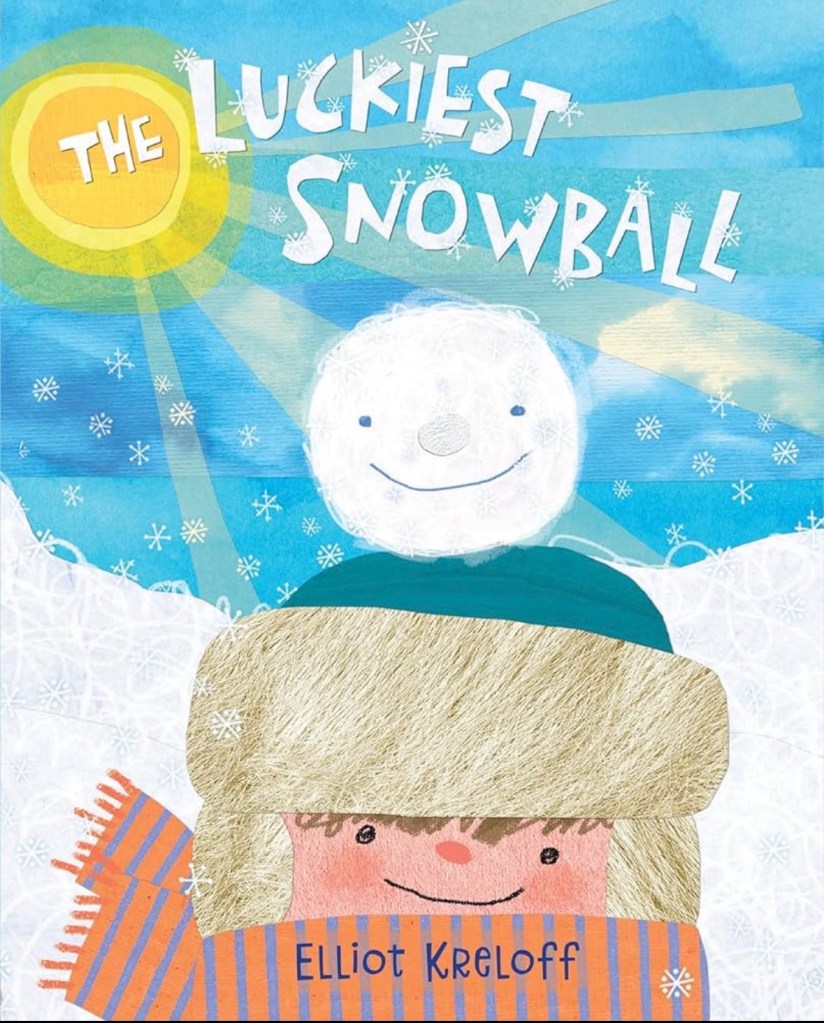
📚 This Week’s Books
The Luckiest Snowball Bear Can’t Sleep
-
🌸 February at Tiny Toes Day Care: Learning Through Light, Love, and Little Discoveries
February is a special month at Tiny Toes Day Care—a time when winter still lingers, but curiosity, connection, and creativity grow stronger every day. This month, I was grateful to be part of the Tiny Toes community, supporting toddlers as they explored shadows, numbers, emotions, weather, and togetherness through simple, hands-on activities.
Our February concepts were designed especially for toddlers age 2–3, focusing on observation, fine motor skills, early math, and social awareness—all through play.
This weekly plan reflects our shared approach—offering toddlers opportunities to explore light and shadow, early numbers, and working together as a group through simple, hands-on activities that support observation, fine motor skills, early math, and social development.
Week 1: Shadows, Counting & Community Fun
The first week of February at Tiny Toes Day Care was filled with curiosity, movement, and meaningful moments. Through simple crafts and group activities, toddlers explored early science, numbers, and social connection in playful, age-appropriate ways.
📅 Monday – Welcome to February
We started the month by gently introducing February themes and settling into the week together. Through circle time and simple conversations, children talked about winter weather and what they notice around them.
Focus:
Language development, listening, group awareness
📅 Tuesday & Wednesday – Groundhog Day & Shadow Exploration
Over two days, we explored Groundhog Day and the idea of shadows.
Activities included:
Groundhog craft using pre-cut pieces and glue, following steps in order Shadow play with flashlights, observing how light creates shadows and how they move Story time and discussion about light, dark, and movement
Children observed their own shadows and learned what makes a shadow appear in a very simple, scientific way.
Focus:
Fine motor skills, cause & effect, early science, observation
📅 Thursday – 100 Days of School
We celebrated the 100th Day of School with counting activities and group participation.
Activities included:
Counting together using visual aids Talking about numbers growing from 1 to 10 and all the way to 100 Celebrating how much the children have learned and grown
Focus:
Early math concepts, counting, patience, confidence
📅 Friday – Super Bowl Fun & Movement
Friday was all about movement and teamwork.
Activities included:
Rolling and throwing soft balls Simple group games focused on turn-taking Talking about cheering, playing together, and having fun as a group
Focus:
Gross motor skills, cooperation, community awareness
🌱 Week Reflection
The first week of February offered toddlers a balance of learning, movement, and creativity. Each activity supported development while allowing children to explore at their own pace.
Simple materials, clear routines, and joyful interaction made this week meaningful and engaging for everyone.
-
❄️ Winter Concept Week for Toddlers (Age 3): Books & Easy Crafts
Winter can feel long and quiet, especially for little ones. In early childhood, winter is not just a season — it’s a sensory experience: cold air, heavy clothes, warm food, quiet nights, and snowy colors.
This Winter Concept Week plan is designed for 3-year-olds, using simple books, gentle routines, and hands-on crafts that support fine motor skills, language development, and emotional comfort.
At this age, repetition matters more than variety. We read the same book all day, repeat the same words, and focus on process over perfection.
❄️ Monday – What Is Winter?
Concept: winter, cold weather, snow
Book of the Day: Winter Is HereThis book introduces winter in a calm, visual way — perfect for toddlers who are just beginning to understand seasons.
🎨 Craft: Snowflake Lines – Ripped Paper Art
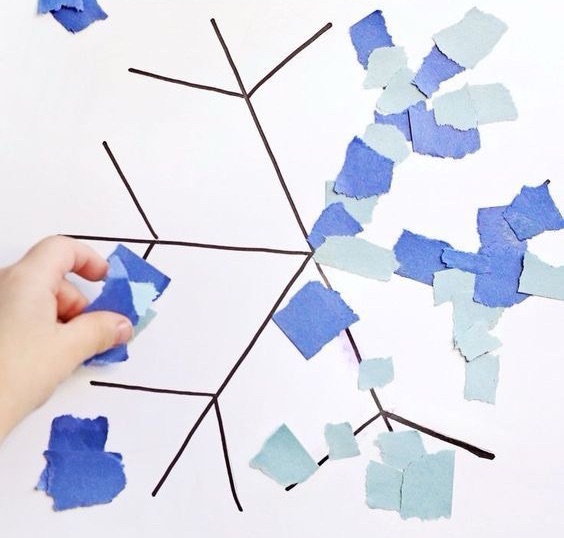
Concepts: winter, lines, reuse, fine motor
Materials:
- Old white paper (reuse!)
- Blue construction paper
- Glue
How:
- Pre-draw 6 simple lines like a snowflake star
- Children rip small paper pieces
- Glue pieces along the lines
Learning Focus:
- Fine motor skills
- Introduction to symmetry
- Sustainability through reuse
🧤 Tuesday – Winter Clothes
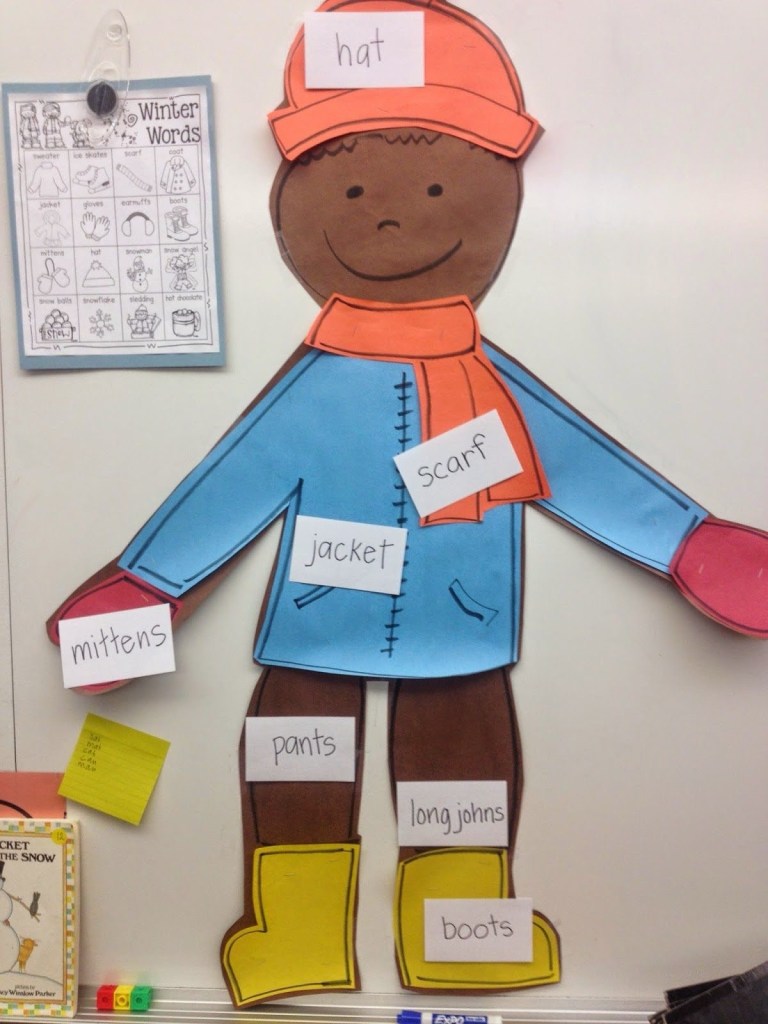
Concept: clothing, weather, self-care
Book of the Day: Froggy Gets DressedA playful story that helps toddlers connect weather with daily routines.
🎨 Craft: Winter Clothes – Dress the Child
Materials:
- Paper child template (pre-cut)
- Paper hats, coats, scarves, boots
- Glue
How:
- Talk about: “What do we wear in winter?”
- Children glue clothes onto the paper child
Learning Focus:
- Vocabulary (hat, coat, scarf)
- Practical life skills
- Body awareness
🍲 Wednesday – Winter Food & Warmth
Concept: food, warmth, winter meals
Book of the Day: Bear Snores OnA cozy story about rest, warmth, and togetherness.
🎨 Craft: Cooking Soup – Winter Veggies Pot
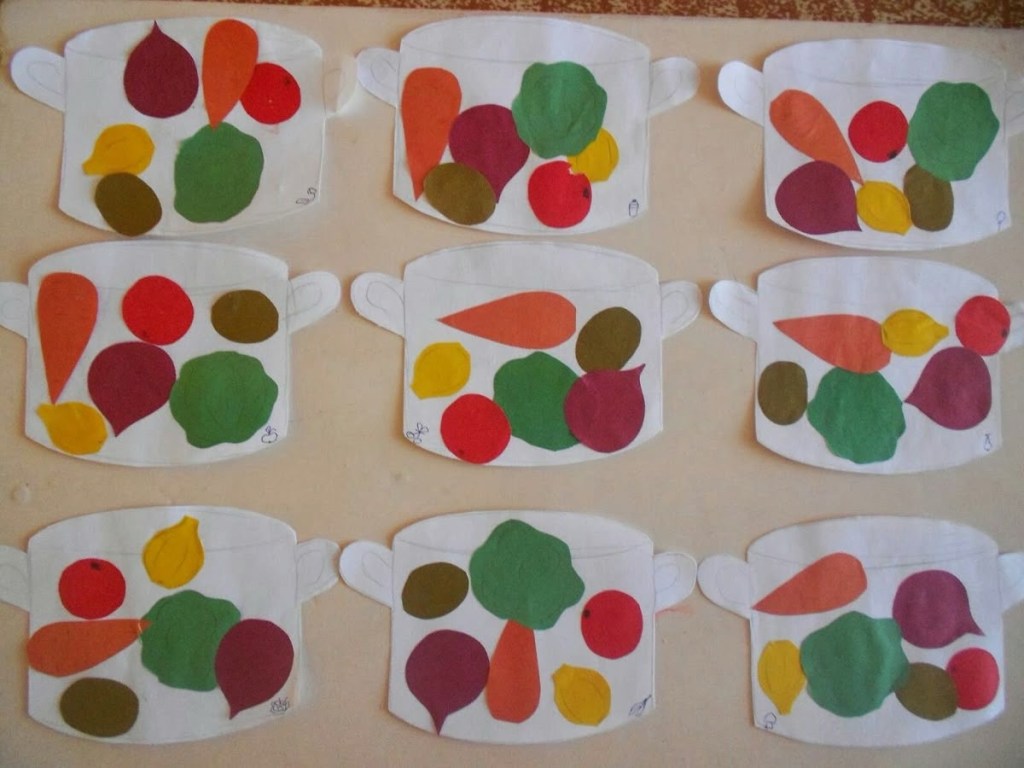
Materials:
- Paper pot template
- Pre-cut veggies (carrot, potato, onion, peas)
- Glue
How:
- Name vegetables together
- Children place veggies “inside” the pot
Learning Focus:
- Color recognition
- Healthy food awareness
- Pretend play
🌌 Thursday – Snowy Night
Concept: night, winter, expression
Book of the Day: The Snowy DayA gentle story about exploring snow and noticing small moments.
🎨 Craft: Handprint Snowy Night Tree

Materials:
- Blue paper
- Brown paint (handprint)
- White paint (snow dots)
How:
- Handprint becomes the tree
- Finger dots create falling snow
Learning Focus:
- Sensory experience
- Cause & effect
- Individual expression
Every tree is different — and that difference is the lesson.
🌲 Friday – Winter Nature
Concept: nature, shapes
Book of the Day: Snowmen at NightA fun way to explore imagination and winter scenes.
🎨 Craft: Evergreen Tree – Triangle & Rectangle
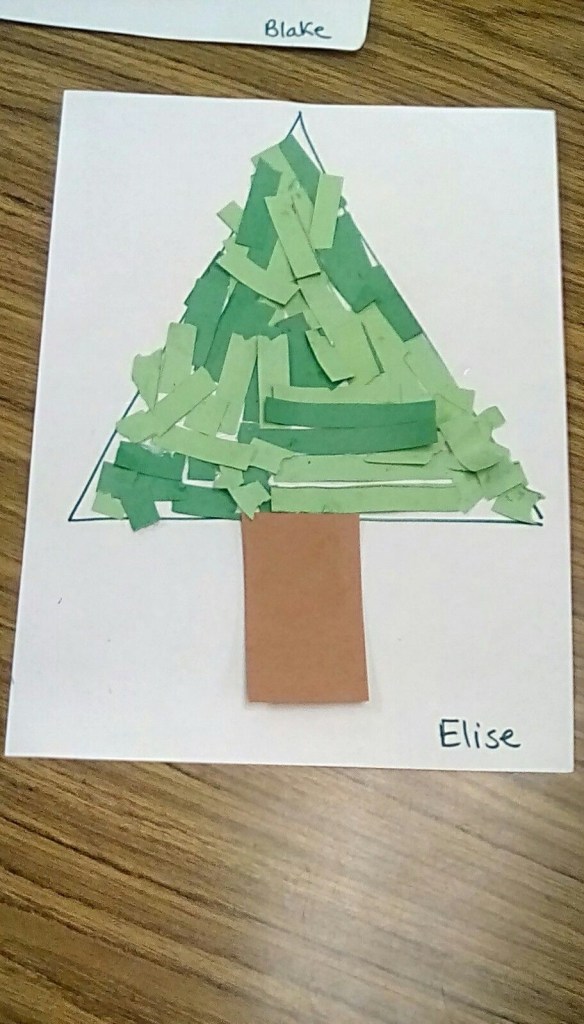
Materials:
- Triangle tree outline
- Brown rectangle (trunk)
- Green ripped paper
- Glue
How:
- Children rip green paper
- Fill the triangle tree
- Add the trunk
Learning Focus:
- Shape recognition
- Hand strength
- Nature awareness
❄️ Teaching Notes from the Classroom
- One simple craft per day
- Same book repeated daily
- No pressure, no rushing
- Effort matters more than outcome
Winter is a beautiful opportunity to slow down. For toddlers, learning happens best when they feel safe, calm, and seen.
If you are a parent, caregiver, or educator, I hope this winter plan brings warmth, creativity, and connection into your space.
With care,


-
🚦 Traffic Concept Week for 3-Year-Olds
At age three, children learn best through repetition, routine, and movement. During our Traffic Concept Week, we intentionally repeat the same books and songs every day. This consistency helps children feel safe, confident, and ready to learn—while naturally building language, listening skills, and self-regulation.
Why a Traffic Theme?
Traffic is part of children’s everyday world. Cars, buses, lights, and roads are familiar and exciting. This theme allows children to connect real-life experiences with early learning concepts such as colors, vocabulary, and simple rules like stop and go.📚 Daily Books (Read Every Day)
We read the same three books each day, in the same order. This predictability supports comprehension and language development.
1. Story Book: Blue Truck
An award-winning picture book with a simple, engaging story.
Focus: listening skills, story awareness, and attention.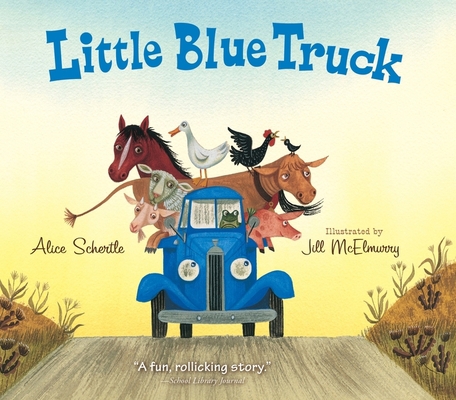
2. Vocabulary Book: Traffic Vehicles
Children are introduced to basic vehicle names:
- Car
- Bus
- Truck
- Fire truck
- Police car
Focus: vocabulary building through pointing and naming.
3. Color Book: Traffic Colors
We focus on three key colors:
- 🔴 Red
- 🟡 Yellow
- 🟢 Green
Focus: color recognition and connection to traffic lights.
🎵 Daily Songs (Same Songs Every Day)
Music and movement are essential for young children. Singing the same songs daily builds confidence and participation.
🎶 “Red Light, Stop! Green Light, Go!”
Children move their bodies while learning simple rules:
- Red = Stop ✋
- Green = Go 🚶♀️
🔗 YouTube search link:
https://www.youtube.com/results?search_query=red+light+stop+green+light+go+preschool+song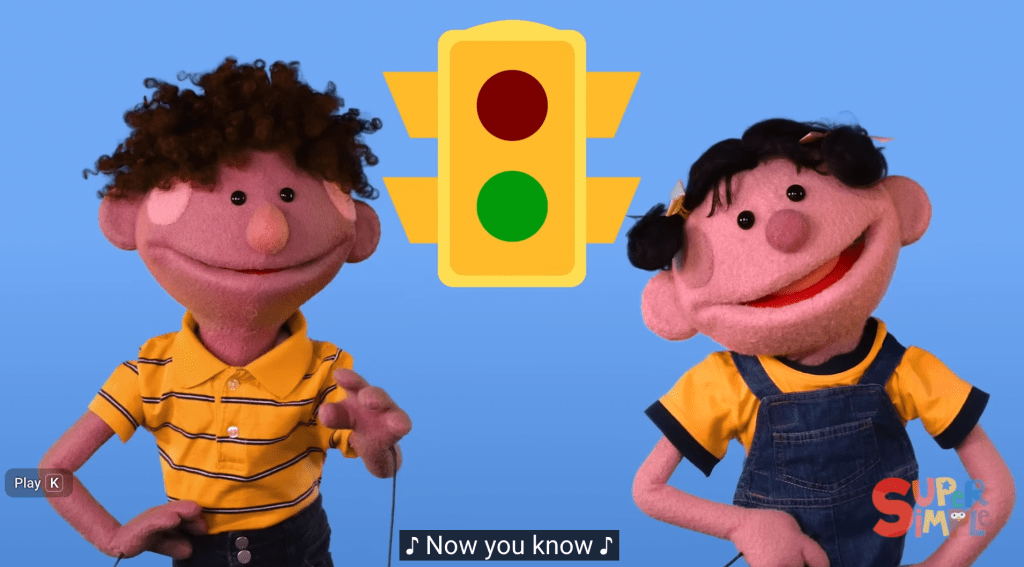
🎶 “The Wheels on the Bus”
A classic song with simple motions:
- Wheels go round and round
- Doors go open and shut
- People go up and down
🔗 YouTube search link:
https://www.youtube.com/results?search_query=wheels+on+the+bus+preschool+song
🧠 Why Repetition Matters at Age 3
Repeating the same books and songs every day helps children:
- Build emotional security and routine
- Strengthen language through repeated words
- Improve attention and listening skills
- Understand simple rules like stop and go
- Participate with confidence instead of hesitation
At this age, learning happens through familiarity—not constant change.
🚗 Learning Through Play
Throughout the week, children also engage in:
- Toy car play
- Stop-and-go movement games
- Color matching activities
- Simple road and traffic light play scenarios
All activities are developmentally appropriate, playful, and joyful.
🌱 Final Thought
Traffic Concept Week is not about memorizing rules—it’s about feeling safe, moving confidently, and learning through repetition and play. When children know what to expect, they are free to explore, participate, and grow.
-
Day 5 in Daycare: Why Structure Is Not the Opposite of Care
By the fifth day in a daycare environment, the system becomes visible.
You learn the physical space.
You learn the rhythm of transitions.
You learn how time, not emotion, moves the day forward.
Names begin to settle, but routines settle faster.
And this becomes clear:
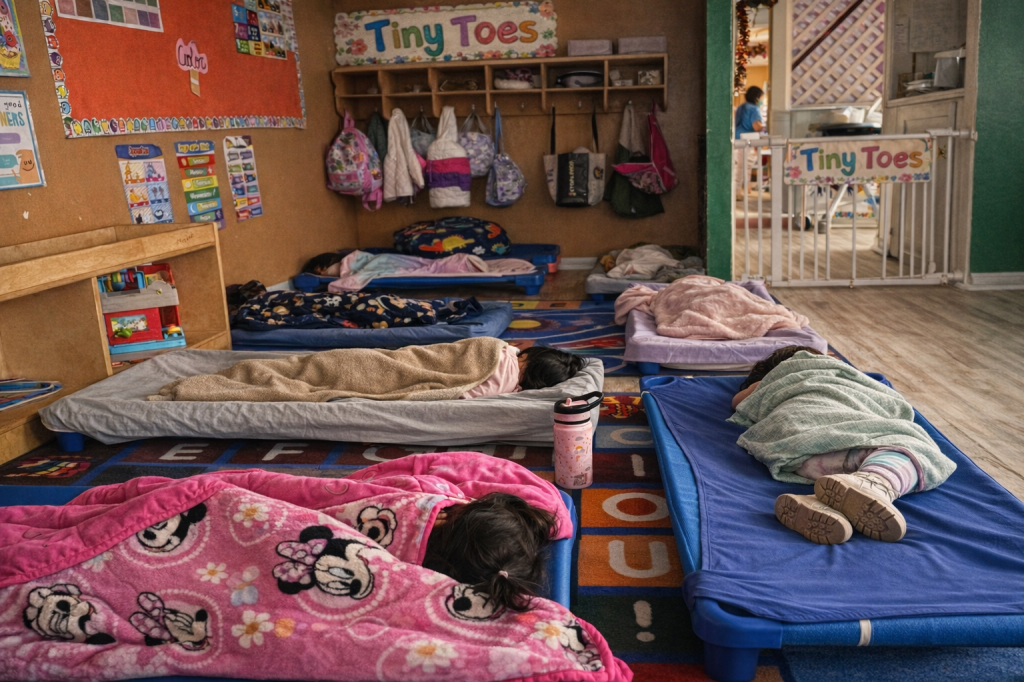
Daycare is not meant to function like a home.
It is meant to function like a system.
Daycare as a Community Environment
Early childhood settings are collective spaces.
They are designed for groups, not individuals.
Because of this, daycare cannot operate on negotiation or personal preference.
It operates on shared structure.
For toddlers and preschool-aged children, the most critical developmental need is not freedom, but predictability.
Bathroom routines Hand hygiene Meals Rest Waiting Lining up Cleaning up
These are not secondary tasks.
They are core developmental work.
Daycare exists to organize these rhythms in a consistent, repeatable way.
Reframing Discipline
In early childhood education, discipline is often misunderstood.
Discipline in daycare is not punishment.
It is consistency applied at scale.
Rules are not flexible based on mood or circumstance.
They do not change depending on class size.
One rule applies to:
one child
ten children
one hundred children
A rule is defined by time and sequence, not by individual readiness.
When it is time to eat, play ends.
When it is time to rest, bodies slow down.
When it is time to clean up, everyone participates.
This is not harshness.
This is environmental stability.
And stability is regulating for young children.
Appropriate Firmness in Early Childhood Settings
Yes, voices become firm at times.
Yes, choices are occasionally removed.
Yes, “no” is sometimes final.
This is developmentally appropriate.
Children at this age are learning:
bodily regulation personal care routines group behavior time-based transitions
These skills are not acquired through explanation alone.
They are learned through repetition, modeling, and clear limits.
Firmness in this context is not emotional distance —
it is clarity.
An Uncomfortable but Useful Comparison
There is a comparison educators often avoid:
Daycare can resemble training.
This comparison is uncomfortable because it sounds mechanical.
But training, in its true sense, is not dehumanizing.
Training is the process of moving from instinct to structure.
Children are not being controlled.
They are being prepared:
for school environments for shared public spaces for functioning within a community
Structure is not imposed to diminish children —
it is provided to support them.
Structure Enables Joy
One important truth often gets lost in these conversations:
Fun follows structure.
Once expectations are clear:
play becomes collaborative activities become accessible children feel safer exploring
Without structure, play escalates into chaos.
With structure, play becomes meaningful.
Daycare is not designed to entertain children.
It is designed to create the conditions in which joy can emerge.
A Reflection from Day 5
Being warm is easy.
Being kind is easy.
Running a daycare requires more than that.
It requires:
consistency clarity shared expectations a unified approach
Yes, this can feel strict.
But this kind of strictness does not harm — it reassures.
Children do not need constant choice.
They need reliable structure.
The rule is the rule.
The time is the time.
And once that foundation is in place —
children are free to enjoy themselves.
-
Bold Pumpkin Plan 🎃
Today I visited my son’s kindergarten for his 6th birthday read-aloud. I dressed as a farmer who had just harvested baby pumpkins. Each one I pulled from my bag got a few “oooh”s and “aaah”s—until the very last one! The “biggest” pumpkin wasn’t really big at all, but when I revealed it last, the surprise made the kids gasp and shout “Woooow!” A simple mind trick, but such a joyful moment. 🍂✨
The story time went well — the kids laughed, listened, and each received a tiny pumpkin to take home. When I got home, I finally got time to myself to clean my vision.
I also need a bold plan.
My plan isn’t clear.
The wheel is stuck —
and still, I smile.
I have not known how I would get that wheel out of the mud, yet,
But sooner or later, the sun will rise,
and the mud will dry.
Nothing is wrong.
I’m just here, riding it,
enjoying the moment like a cowgirl 🤠
Time is my only energy to heal,
like a mug warming your face during your routine.
.

Natali Stoiyanna Erkaraman
My life as a recycling artisan
 Natali Stoiyanna Erkaraman