
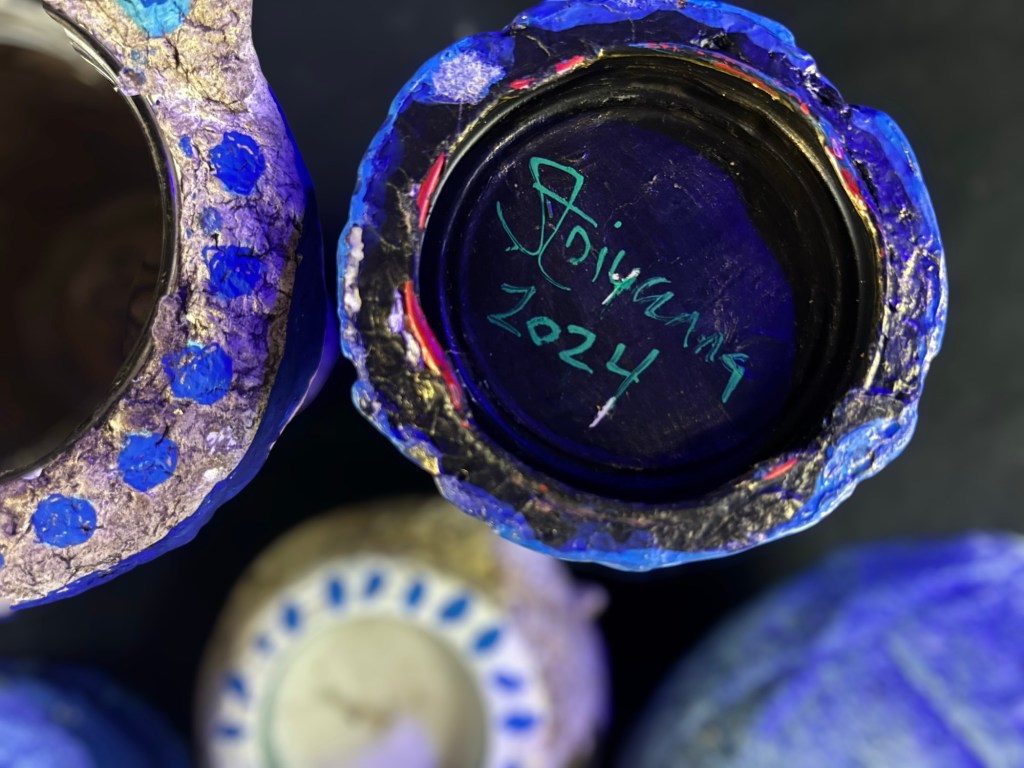
At QuiteSomeTime Studio, we see waste differently. Every item thrown away carries a story, a purpose waiting to be rediscovered. By transforming discarded materials into pottery, sculptures, and other creations, we aim to change how people think about their waste before they get rid of it.
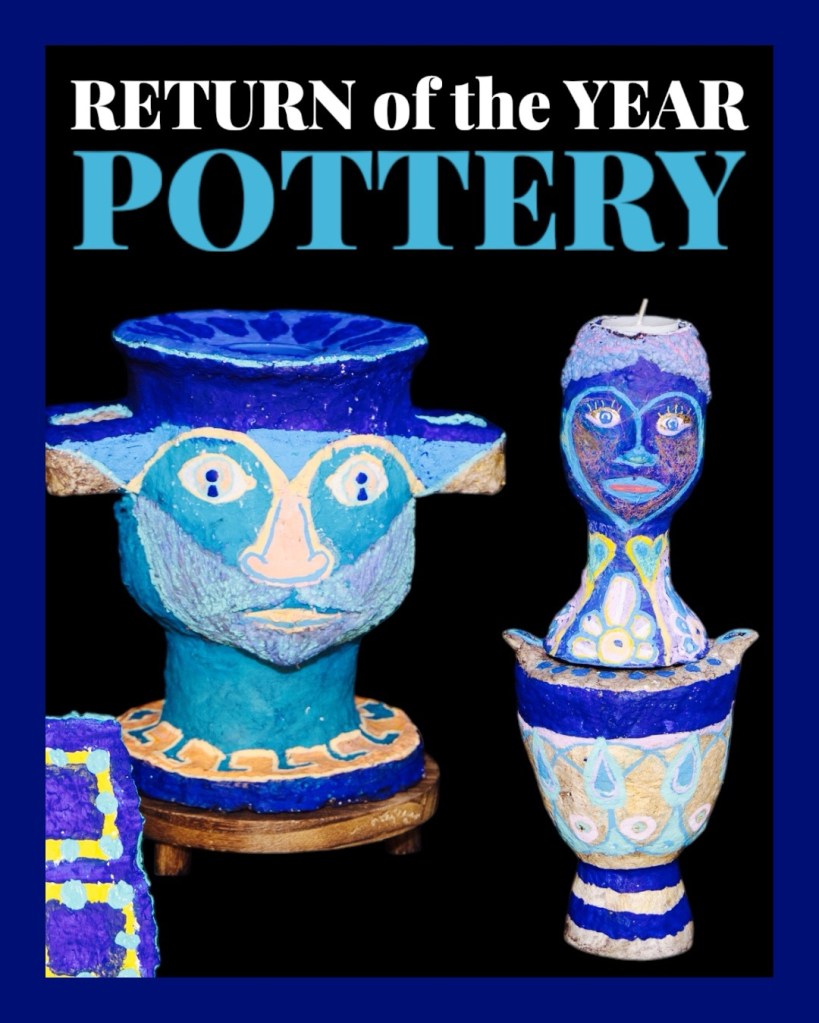
The average American throws away about 4.5 pounds (2 kilograms) of waste daily. Out of this, only 1.5 pounds (0.7 kilograms) gets recycled or composted, while the remaining 3 pounds (1.4 kilograms) becomes household waste. This waste falls into four basic categories: recyclable materials like paper, plastic, glass, and metal; food and yard waste; cleaning products; and e-waste, such as old phones and TVs. Every category offers opportunities to reduce waste and rethink its purpose.
At our studio, we’re inspired by these possibilities. Broken ceramics, used papers, and even cardboard boxes become the foundations of our creative work. Each piece we create—a vase, a sculpture, a decorative plate—is more than an object. It’s a message: before you throw something away, consider its potential for renewal.
This philosophy is at the heart of our workshops, where we teach others to transform household waste into meaningful art. By involving people in the creative process, we help them see that waste isn’t just trash—it’s material with untapped value. Imagine if every person could rethink just one item a day. Together, we could make a profound impact, reducing the environmental harm of the 164 million tons of waste Americans generate annually.
Creativity is a powerful tool for change. Through our recycled pottery and sustainable art, we hope to inspire people to pause and ask: Can this be reused? Could it tell a new story? At QuiteSomeTime Studio, we’re building a movement where waste becomes a second chance, and every discarded object holds the promise of transformation.
What’s one item you’ve saved from the trash and turned into something meaningful? Share your stories with us—together, we can turn waste into wonder!
The data used in this post is sourced from Mary K. Pratt’s book How Can We Reduce Household Waste (Lerner).
 Natali Stoiyanna Erkaraman
Leave a comment